Storm Damage Tree Removal Cost in NC — 2026 Guide
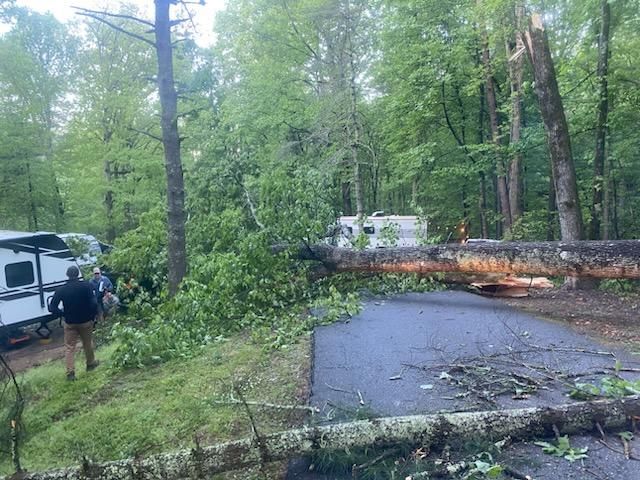
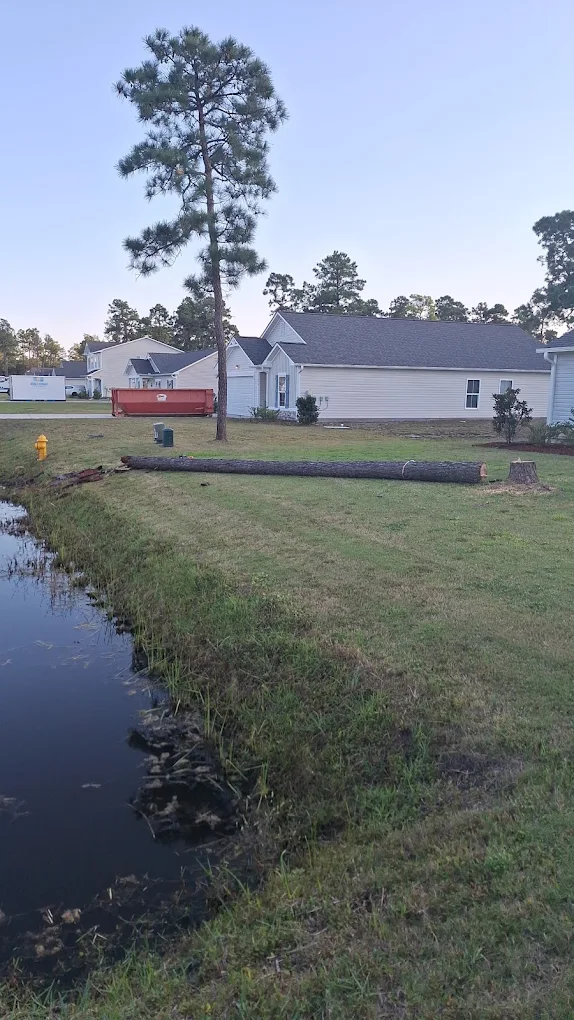
Storm damage tree removal in North Carolina runs $400–$1,200 for a tree in the yard and $1,500–$6,000+ for trees on structures. Coastal NC pricing — Wilmington, the Cape Fear region, and the Crystal Coast — runs significantly above the state average due to hurricane exposure, mature coastal species, and post-storm demand surges.
Average Tree Removal Pricing
How Storm Damage Tree Removal Is Priced in NC
Coastal NC vs Inland NC — Why Pricing Differs
Water Oak on Garage — New Hanover County, Post-Tropical-Storm
When Tree Removal Costs Jump Fast
| Situation | Why Cost Increases |
|---|---|
| Crane Required | Expensive equipment + setup time |
| Tree Near Power Lines | Additional safety complexity |
| Emergency Removal | Urgency + danger |
| Limited Access | Slower manual work |
| Storm-Damaged Tree | Higher climbing risk |
📊 Wilmington Pricing Quick Reference
Updated: June 2026 · Source: TreeQuotePro Cape Fear market data
Storm damage tree removal in North Carolina is priced differently from planned removal for three reasons: crew availability drops while demand spikes, risk increases on structurally compromised trees, and post-storm emergency rates apply market-wide.
Understanding those three factors — and where coastal NC sits relative to the rest of the state — is how homeowners get fair pricing rather than paying whatever the first crew quotes.
How Storm Damage Tree Removal Is Priced in NC
Planned vs emergency pricing. The same removal job costs 25–50% more as an emergency than as a planned job. Emergency pricing reflects overtime, same-day dispatch, and the crew pulling off other work to respond. It's real cost, not opportunism — but knowing what the planned rate would have been gives you a baseline for evaluating whether the emergency rate is reasonable.
What situation you're in. A tree that fell in your yard without hitting anything is a cleanup job — serious but not an emergency. A tree through your roof is a structural emergency. These are different markets. Cleanup jobs are competitive. Structural emergencies command higher rates because of the complexity and the cost of getting it wrong.
Whether you're in a post-storm surge. After a named storm hits NC, the market surges. Local crews book within 24–48 hours. Out-of-state crews enter the market — some legitimate, some not. Prices rise market-wide during the 2–4 weeks after a major storm. The further you are from that peak, the more competitive the pricing.
North Carolina Storm Damage Pricing by Region
| NC Region | Standard Emergency Range | Post-Major-Storm Range |
|---|---|---|
| Coastal NC (Wilmington, Crystal Coast) | $800 – $4,500 | $1,200 – $7,000+ |
| Raleigh / Triangle | $600 – $3,000 | $900 – $5,000 |
| Charlotte / Piedmont | $500 – $2,500 | $750 – $4,000 |
| Mountain NC (Asheville) | $600 – $3,500 | $900 – $5,500 |
Coastal NC runs highest in the state for storm damage removal for compounding reasons — direct hurricane exposure, mature coastal species (live oaks, loblolly pines), sandy soil root failures, and a smaller pool of local crews relative to the damage volume after major storms.
Coastal NC vs Inland NC — Why Pricing Differs
Hurricane vs thunderstorm damage. Inland NC storm damage is mostly from severe thunderstorms — localized, predictable, manageable. Coastal NC storm damage involves sustained hurricane-force winds over extended periods, storm surge flooding, and widespread simultaneous damage across hundreds of square miles. That scale exhausts local crew capacity in ways inland markets rarely experience.
Coastal species cost more. A 70-foot loblolly pine in Wilmington and a 70-foot loblolly in Raleigh are not the same removal job after a storm. Coastal pines have shallower root systems in sandy soil — they fail with root ball intact, creating a heavier, more complex extraction. Coastal live oaks have wider canopy spreads and denser wood than inland hardwoods. Both factors push removal costs above NC state averages.
Salt air damage creates complexity. Storm-damaged trees near the Intracoastal Waterway and Atlantic coast often have more hidden internal decay than inland trees — meaning what looks like a clean extraction becomes a partially compromised removal that requires more rigging, more care, and more time.
What Insurance Covers for Storm Damage in NC
North Carolina standard homeowners insurance (HO-3) covers storm damage tree removal when all three conditions are met:
- The tree fell due to a covered peril (wind, lightning)
- The tree hit a covered structure (house, attached garage, permanent outbuilding)
- You documented the damage before cleanup began
Coverage amount: typically $500 per tree / $1,000 total for removal costs, plus structural repair costs after your deductible.
What NC insurance does NOT cover:
- Trees that fell in the yard without hitting anything
- Preventative removal before the storm
- Dead trees or trees you knew were hazardous
- Flood damage (requires separate NFIP policy)
The documentation step is the one that determines claims. Take photos and video before anything moves.
How to Get Fair Pricing After a Storm in NC
Get a baseline before the first crew arrives. Upload a photo to treequote.pro for a region-specific estimate in 60 seconds. That number gives you context for every quote that follows.
Verify local credentials. Ask how long the company has operated in NC. Request a certificate of insurance. Out-of-state crews entering the market after major storms may not carry NC-compliant insurance and may not be familiar with local market rates.
Get written scope before authorizing work. What's included — debris hauling, stump grinding, tarping? What's the price? In writing, before anyone starts.
Wait 24–48 hours if safe. Trees in the yard without active structural threat can often wait a day. That extra time lets you make a better decision than whatever crew shows up at your door within hours of the storm.
Frequently Asked Questions
How much does storm damage tree removal cost in NC? Storm damage tree removal in North Carolina runs $400–$1,200 for a tree in the yard without structural damage, and $1,500–$6,000+ for trees on structures. Coastal NC (Wilmington, Cape Fear, Crystal Coast) runs 25–40% above the state average due to hurricane exposure, coastal species complexity, and post-storm demand surges.
Does homeowners insurance cover storm damage tree removal in NC? Yes — when a tree falls due to a covered storm event (wind, lightning) and damages a covered structure. NC HO-3 policies typically cover $500 per tree / $1,000 total for removal costs, plus structural repair. Trees that fell in the yard without hitting anything are not covered. Document everything before cleanup begins.
Why is tree removal so much more expensive after a hurricane in coastal NC? Three reasons: local crews book within 24–48 hours after major storms, driving demand premiums; coastal species (loblolly pines, live oaks) are more complex to remove after storm failure; and out-of-state crews entering the market often price opportunistically. Knowing the fair rate before calling anyone is the best protection.
How long should I wait to remove storm-damaged trees in NC? For trees on structures or near power lines — call immediately. For trees in the yard without active hazard — waiting 24–48 hours lets you make a better decision and often yields better pricing and crew quality than whoever responds in the first hours post-storm.
Get a Wilmington-specific estimate: treequote.pro
TreeQuotePro — Connecting Wilmington homeowners with trusted local tree service. Serving Wilmington, Leland, Ogden, Hampstead, Castle Hayne, and Porters Neck.
More Cost Guides Guides →
See What YOUR Tree Costs
Upload a photo and get an instant estimate based on these exact pricing ranges.
✓ No phone calls required · ✓ Free for homeowners · ✓ 90 five-star Google reviews