Free Tree Removal Programs in NC: What Wilmington Homeowners Should Know (2026)
Free tree removal programs in NC exist, but most residential trees don't qualify. Here's exactly what Duke Energy, Wilmington city policy, and storm programs will and won't cover.
Average Tree Removal Pricing
Why Most Residential Trees Don't Qualify for Free Tree Removal Programs in NC
Free tree removal programs in NC are designed for specific scenarios — power line encroachment, city right-of-way trees, and federally declared storm events. The sandy coastal soil around Wilmington accelerates root failure and tilts more trees toward homes than toward streets, which puts the cost squarely on homeowners. Species like water oaks and loblolly pines that crowd power lines in Landfall and Porters Neck may qualify for utility trimming, but full removal of the trunk is almost never covered.
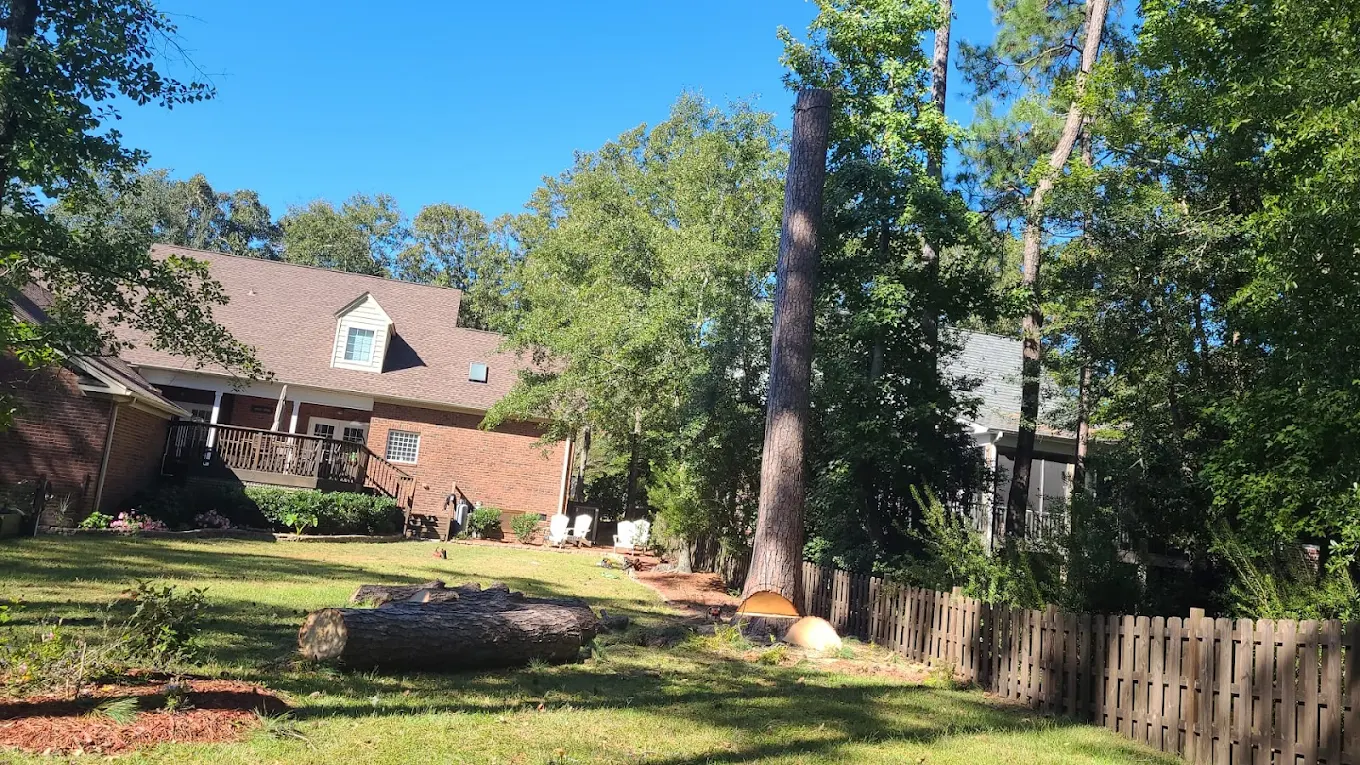
Hurricane Season and Free Storm Programs in the Cape Fear Region
After storms like Florence and Dorian, FEMA and state emergency programs activated limited debris removal for Wilmington neighborhoods, but coverage was patchy and often excluded trees that fell onto private structures. The Cape Fear coast's hurricane exposure means storm-damaged trees are common, but federal assistance timelines run months behind the immediate cleanup need. Most homeowners in Castle Hayne and Leland end up paying out of pocket before any reimbursement arrives.
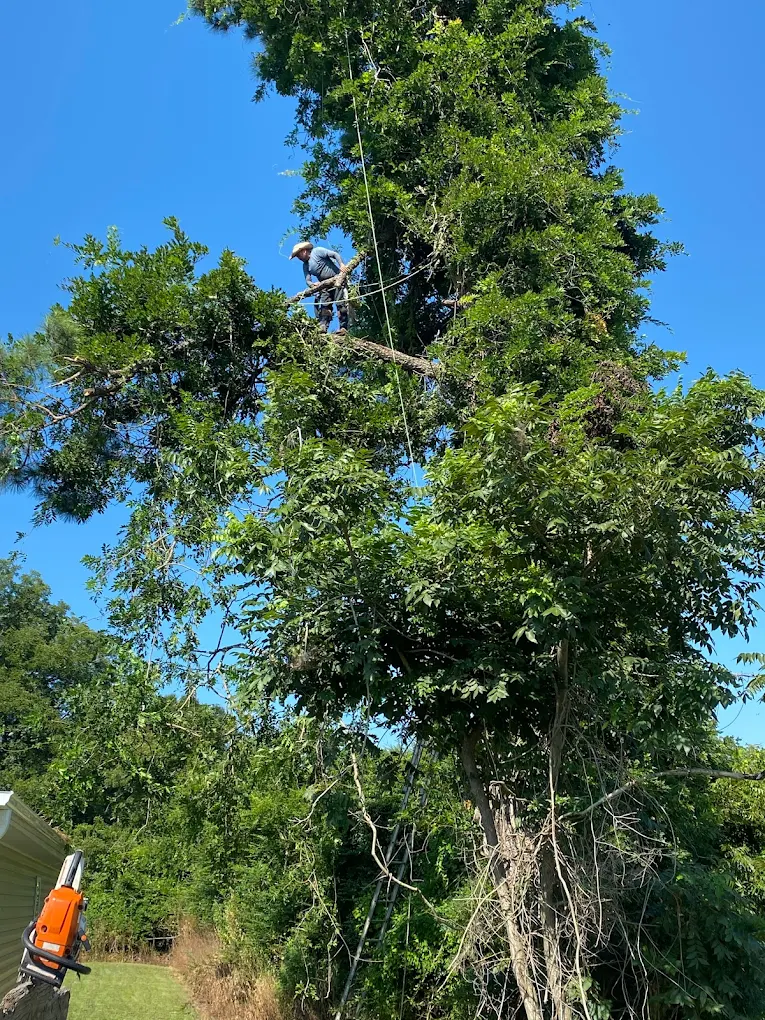
Leaning water oak over power line — Ogden
When Tree Removal Costs Jump Fast
| Situation | Why Cost Increases |
|---|---|
| Crane Required | Expensive equipment + setup time |
| Tree Near Power Lines | Additional safety complexity |
| Emergency Removal | Urgency + danger |
| Limited Access | Slower manual work |
| Storm-Damaged Tree | Higher climbing risk |
📊 Wilmington Pricing Quick Reference
Updated: June 2026 · Source: TreeQuotePro Cape Fear market data
Free Tree Removal Programs in NC: What Wilmington Homeowners Should Know (2026)
If you've heard about free tree removal programs in NC and wondered whether your situation qualifies, you're not alone. Ramon and Miguel field this question constantly across Wilmington and the Cape Fear region — and the honest answer is that most homeowners won't get their trees removed for free. But some will, and knowing the difference saves you time and money.
What Programs Actually Exist — and What They Cover
Here's a quick breakdown of who pays what under the main programs:
| Program | What's Covered | What You Still Pay |
|---|---|---|
| Duke Energy / Dominion utility trim | Branches within utility easement | Trunk removal, stump, haul-off |
| Wilmington city right-of-way | Trees in city ROW strip | Trees on your private property |
| FEMA storm debris removal | Street-side debris after declared disaster | Trees on structures, private lots |
| HOA-subsidized programs | Varies by HOA agreement | Anything outside HOA scope |
| NC forestry assistance | Rural parcels, invasive species | Most suburban residential lots |
Duke Energy and Dominion: Free Tree Removal Near Power Lines in NC
Duke Energy and Dominion run active vegetation management programs throughout the Cape Fear region. If a tree is growing into or is likely to contact a utility line, they will trim it — at no cost to you. This is what most people mean by free tree removal near power lines in NC, and it's real, but limited.
What they will do:
- Trim branches encroaching the utility easement
- Remove a tree that poses an imminent threat to the line
- Chip and haul the trimmed material they cut
What they will not do:
- Remove the remaining trunk if it falls on your side of the easement
- Grind the stump
- Touch trees that lean toward your house instead of the line
For a full breakdown of what changes when a tree is close to power infrastructure, see our guide on tree removal near power lines in Wilmington. The short version: utility crews work the line side, and you're on the hook for everything else.
Wilmington City Policy: Right-of-Way Trees
The City of Wilmington maintains trees in the public right-of-way — typically the strip between the sidewalk and the street. If a tree in that zone is dead, diseased, or structurally hazardous, you can request city removal. The city arborist evaluates the request, and if it qualifies, removal is free.
The catch: the city's right-of-way strip is narrow, and most of the trees causing problems in neighborhoods like Masonboro, Monkey Junction, and Ogden are rooted in private yards, not the ROW. If the trunk originates on your property, the city has no obligation to touch it, even if branches overhang the street.
HOA-Subsidized Tree Work
Some HOAs in master-planned communities — particularly around Landfall and parts of Porters Neck — include tree maintenance in their community agreements. A handful cover removal of trees that threaten common areas or shared infrastructure. It's worth reading your HOA documents before paying out of pocket. That said, HOA programs rarely cover trees that threaten only your structure, and getting approval can take weeks.
FEMA and State Storm Programs: What Free Tree Removal Programs in NC Look Like After a Hurricane
After a federally declared disaster, FEMA's Public Assistance program can fund debris removal from public roads and rights-of-way. For private property, the Individuals and Households Program sometimes covers limited debris removal — but eligibility is narrow, documentation requirements are heavy, and reimbursement timelines are slow.
After Florence, many Wilmington homeowners waited months for any federal assistance while trees sat on their roofs. If you have a storm-damaged tree right now, our emergency tree removal guide for Wilmington covers what to do while you wait on any potential reimbursement.
Also check whether your homeowner's insurance covers storm tree removal — that's often the fastest path to getting paid back. See our breakdown of homeowners insurance and tree removal in NC for what policies typically cover.
What Wilmington Homeowners Are Usually Still on the Hook For
Even when a free program covers part of the work, homeowners in the Cape Fear region routinely pay $800 – $2,200 for the portions that fall outside program scope. That includes stump grinding ($75 – $200 per stump), haul-off of trunk sections left behind by utility crews, and removal of secondary trees that lean toward the same structure.
For a complete picture of what full removal runs locally, our tree removal cost guide for Wilmington walks through pricing by tree size and site complexity.
Ramon and Miguel have 20+ years working these exact situations across New Hanover and Brunswick counties, and they've earned 90 five-star Google reviews from homeowners who needed straight answers about what was covered and what wasn't.
Frequently Asked Questions
Will Duke Energy remove my whole tree for free if it's near the power line? Usually not. Duke Energy's vegetation management program focuses on the utility easement — they'll trim what threatens the line, but the trunk, root ball, and stump on your property are your responsibility. In some cases where a tree poses immediate danger to the line, they'll take it down further, but that's the exception, not the rule.
Do free tree removal programs in NC cover storm-damaged trees on my house? FEMA programs after a declared disaster focus on public rights-of-way, not trees that have fallen onto private structures. Homeowner's insurance is typically the right avenue for trees on your roof or fence. Document everything with photos before any cleanup begins.
How do I request city tree removal in Wilmington? Contact the City of Wilmington's Public Services department and request a right-of-way tree inspection. A city arborist will assess whether the tree qualifies. Only trees with trunks originating in the public ROW strip are eligible — trees in your yard are not city responsibility regardless of where branches fall.
What if my HOA says the tree is my problem but it's near a shared fence? HOA agreements vary significantly. Get the relevant section of your HOA covenants in writing, then request a written response from the HOA board. If the tree is on your lot, most HOA documents place removal responsibility on the homeowner, even for trees near shared structures.
If you've worked through the programs above and your tree doesn't qualify for free removal, get an honest local estimate before assuming the worst. Visit treequote.pro to connect with Ramon and Miguel — Wilmington's most-reviewed tree service team — and get a no-pressure quote for whatever the program didn't cover.
TreeQuotePro — Connecting Wilmington homeowners with trusted local tree service. Serving Wilmington, Leland, Ogden, Hampstead, Castle Hayne, and Porters Neck.
More Cost Guides Guides →
See What YOUR Tree Costs
Upload a photo and get an instant estimate based on these exact pricing ranges.
✓ No phone calls required · ✓ Free for homeowners · ✓ 90 five-star Google reviews