How to Tell If a Tree Is Dead or Dying (Wilmington NC Homeowner Guide)
In Wilmington's coastal climate, a dead or dying tree near your house is a ticking clock. Sandy soil weakens root anchoring, salt air accelerates decay, and hurricane season runs June through November. Knowing the difference between a tree that looks bad and one that is structurally failing — before a storm makes that decision for you — is the most important thing you can do this season.
Average Tree Removal Pricing
7 Signs Your Wilmington Tree Is Dead or Dying
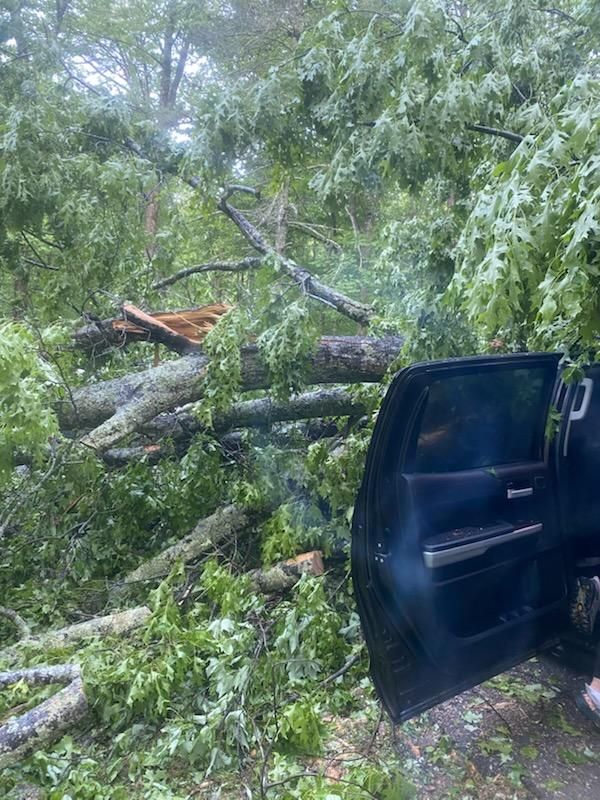
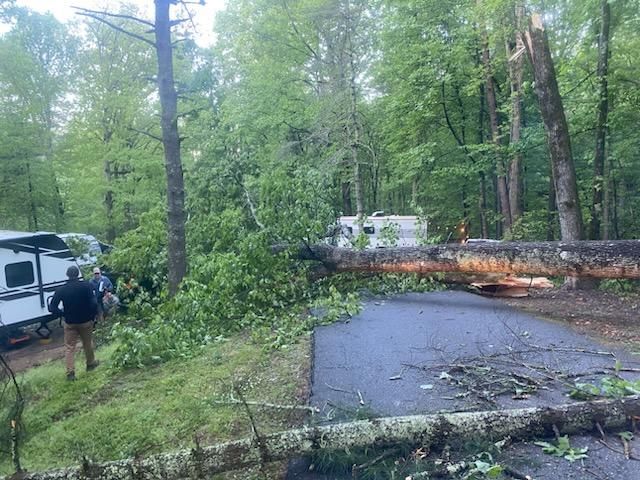
The Wilmington Complication — Why These Signs Are More Urgent Here
Loblolly Pine, 55 ft — Ogden Homeowner, Mushrooms at Base
When Tree Removal Costs Jump Fast
| Situation | Why Cost Increases |
|---|---|
| Crane Required | Expensive equipment + setup time |
| Tree Near Power Lines | Additional safety complexity |
| Emergency Removal | Urgency + danger |
| Limited Access | Slower manual work |
| Storm-Damaged Tree | Higher climbing risk |
📊 Wilmington Pricing Quick Reference
Updated: June 2026 · Source: TreeQuotePro Cape Fear market data
That tree in your yard — the one you've been watching and not quite sure about — is worth 10 minutes of your time right now. Not next month. Not after the next storm. Now.
In Wilmington, a dead or dying tree near your house isn't just an eyesore. It's a liability. Sandy coastal soil gives roots far less grip than inland areas. Salt air accelerates decay. And hurricane season starts June 1. A tree that looks questionable today can come through your roof by September.
Here's exactly what to check.
The Scratch Test — Start Here
Before anything else, find a small branch and scratch the surface with your fingernail or a coin. Push just past the outer bark.
If you see green or white tissue underneath — the tree is alive in that branch.
If you see brown, dry, crumbling wood — that branch is dead.
Test several branches in different parts of the tree. A few dead branches is normal. Dead branches throughout the entire canopy is a serious warning sign.
7 Signs Your Wilmington Tree Is Dead or Dying
Walk around the tree slowly. You're looking for combinations of these signs — one alone might not mean much, but two or three together means it's time to act.
1. No leaves when there should be — or leaves browning too early
By late spring in Wilmington, your trees should be fully leafed out. If a large portion of the canopy has no leaves, or if leaves are browning and dropping in summer rather than fall, something is wrong. This is especially concerning with live oaks and loblolly pines, which are common throughout New Hanover and Brunswick County.
2. Brittle branches that snap instead of bend
Healthy branches flex. Dead branches snap cleanly and easily. After any windy day, check what's on the ground around your tree. A pattern of falling branches — not just from storms — is a red flag.
3. Bark peeling off in sheets
Most trees don't shed their bark. If yours is peeling away in large sections and revealing dry, cracked wood underneath, that's a sign of serious stress, rot, or internal decay. Note: some trees like river birch peel naturally — that's different. Look at neighboring trees of the same species and compare.
4. Mushrooms or fungal growth at the base
This is one of the most serious signs and the one most homeowners miss. Mushrooms or shelf-like fungal growths at the base of a tree or on its roots mean internal rot is already underway. By the time you see mushrooms, the decay inside has been building for a while. In Wilmington's humid coastal climate, fungal growth spreads faster than in drier inland areas.
5. Vertical cracks or splits in the trunk
Small surface cracks are normal. Large vertical cracks or splits — especially ones that run deep into the trunk — indicate structural failure. These trees are unpredictable in high winds.
6. Soil heaving or raised ground near the base
If the soil around the base of your tree looks raised or cracked on one side, the root system may be failing. This is often accompanied by a lean — and a lean that's getting worse is a different emergency altogether. (See our guide to tree leaning toward house what to do.)
7. Insect activity — holes bored in bark, sawdust at the base
Small holes drilled into the bark, or sawdust-like material piled at the base, often means beetles or borers are working their way through the tree from the inside out. By the time this is visible externally, the internal damage is usually significant.
The Wilmington Complication
Here's what makes this harder in coastal NC than almost anywhere else: trees that survived Hurricanes Florence, Dorian, and Isaias often look completely normal from the outside while carrying significant internal damage.
Storm stress builds up invisibly. Root systems get partially undermined. Internal wood begins to decay. The tree looks fine through the next summer, and the summer after that — and then the next major storm finishes the job.
If your tree went through any of those storms and you've never had it assessed, that's reason enough to take a closer look right now. You're not just looking at whether it's dead. You're looking at whether it's been quietly losing structural integrity for years.
What To Do If You're Not Sure
The honest answer: if you're seeing two or more of these signs on a tree near your house, you need a number before you do anything else.
Not a commitment. Not a sales call. Just a number — what would it actually cost to remove this tree if it needs to go?
TreeQuotePro connects Wilmington homeowners with Ramon and Miguel, our local provider with 20+ years experience and 90 five-star Google reviews. Upload a photo of your tree and get an instant price estimate in under two minutes. No phone call required.
Get your free instant quote → treequote.pro
Knowing the cost changes everything. Most homeowners put off dealing with a tree because they assume the worst on price. Get the number first — then decide.
TreeQuotePro — Connecting Wilmington homeowners with trusted local tree service. Serving Wilmington, Leland, Ogden, Hampstead, Castle Hayne, and Porters Neck.
Frequently Asked Questions
How do I know if my tree is dead or just dormant in Wilmington NC? The scratch test is the most reliable first check — scratch a small branch with your fingernail and look for green or white tissue underneath. If you see brown, dry, crumbling wood throughout multiple branches, the tree is dead or dying. In Wilmington, most trees are fully leafed out by late spring — a tree with no leaves in May or June is a serious warning sign, not normal dormancy.
Is a dead tree dangerous in Wilmington NC? Yes — especially in coastal NC. Sandy soil gives dead tree roots far less anchoring than inland areas, and Wilmington's hurricane exposure means a dead tree near your house is a ticking clock. Dead wood becomes brittle and unpredictable in any wind event, not just named storms. A dead tree near a structure should be assessed and removed before hurricane season (June 1 through November 30).
How much does it cost to remove a dead tree in Wilmington NC? Dead tree removal typically costs 20–40% more than removing a healthy tree of the same size. The reason: dead wood is brittle and unpredictable — every section must be rigged and lowered with greater care. A medium dead tree (30–60 ft) in Wilmington runs $800–$1,600. Get an instant estimate at treequote.pro before calling anyone.
What should I do if I think my tree is dead? Don't wait for the next storm to confirm it. Do the scratch test, look for the 7 warning signs above, and if you see two or more of them on a tree near your house — get a removal estimate now at planned rates. Emergency removal after a storm costs 25–50% more than the same job scheduled in advance.
Can a dying tree be saved in Wilmington NC? Sometimes. If the tree is stressed but not structurally compromised — drought stress, pest damage, or early disease — a certified arborist may be able to treat it. But if the internal wood is rotting, the root system is failing, or the tree went through Florence or Dorian without a professional assessment since, removal is usually the honest answer. An assessment clarifies which situation you're in.
More Tree Health Guides →
Know What Your Tree Project Should Cost
Upload a photo of your tree and get a local Wilmington price estimate in under 60 seconds.
✓ No phone calls required · ✓ Free for homeowners · ✓ 90 five-star Google reviews