Neighbor's Tree Fell on My House in Wilmington NC — Who Pays?
North Carolina does not follow a simple 'your tree, your responsibility' rule. Liability for a neighbor's fallen tree depends on whether the tree owner knew or should have known the tree was hazardous. If the tree was healthy and a storm brought it down, you're likely paying through your own insurance. If the tree was dead or visibly dangerous, your neighbor may be liable.
Average Tree Removal Pricing
North Carolina's Negligence Standard — The Rule That Determines Everything
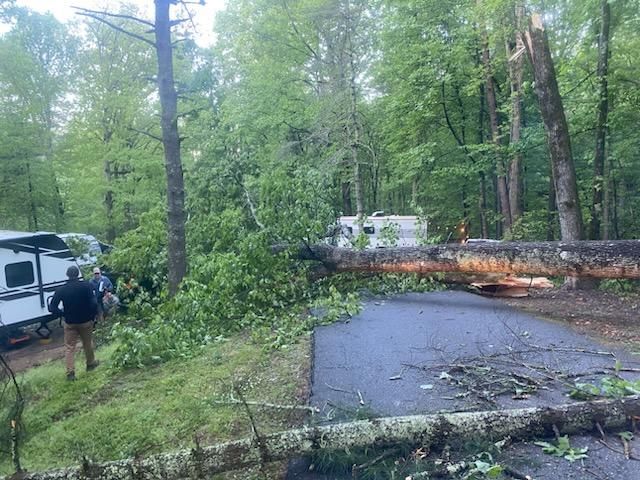
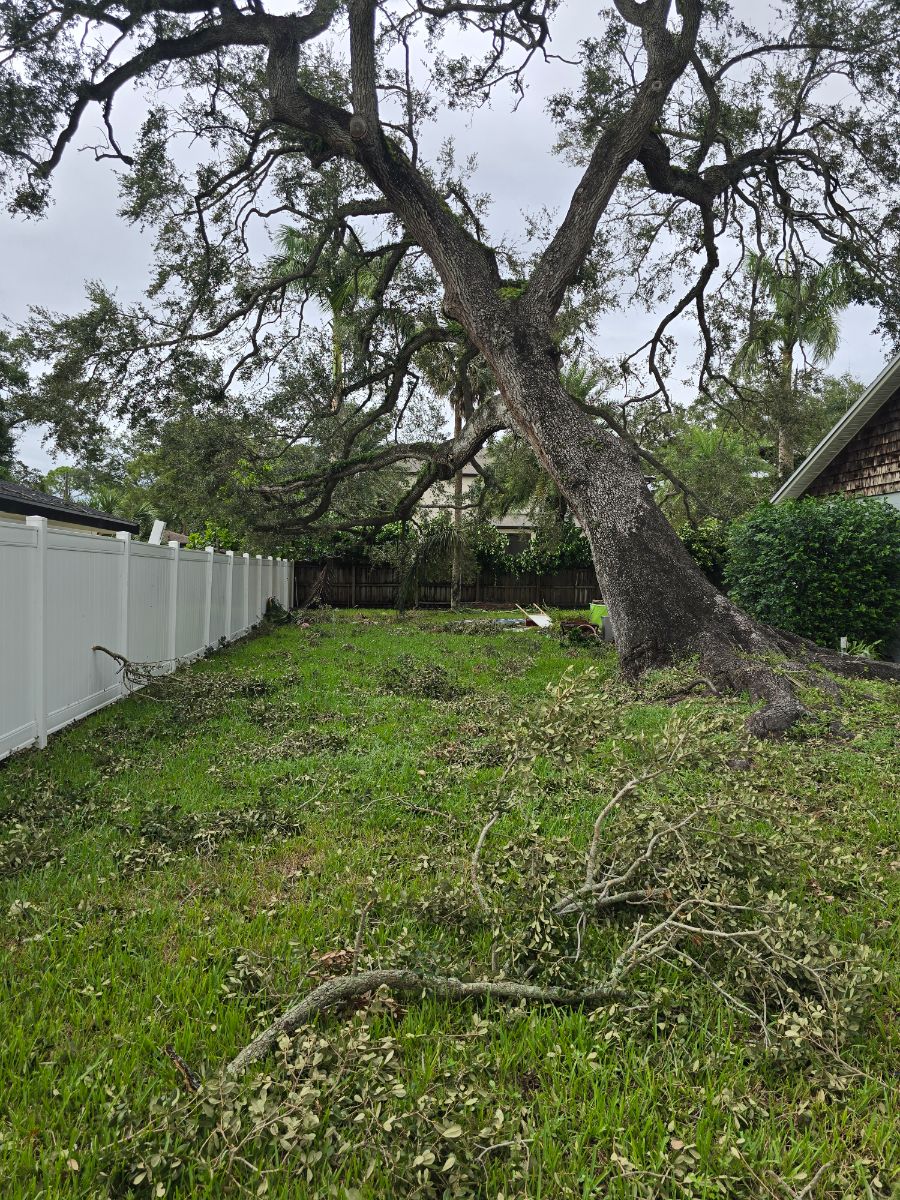
What to Do the Moment a Neighbor's Tree Hits Your Property
Wilmington Homeowner — Neighbor's Dead Pine Fell on Fence and AC Unit
When Tree Removal Costs Jump Fast
| Situation | Why Cost Increases |
|---|---|
| Crane Required | Expensive equipment + setup time |
| Tree Near Power Lines | Additional safety complexity |
| Emergency Removal | Urgency + danger |
| Limited Access | Slower manual work |
| Storm-Damaged Tree | Higher climbing risk |
📊 Wilmington Pricing Quick Reference
Updated: June 2026 · Source: TreeQuotePro Cape Fear market data
This is one of the most common and most stressful situations I hear about from Wilmington homeowners. A storm comes through, a tree from next door comes down on your fence, your roof, your car, or your AC unit — and suddenly you're standing in the damage wondering who's paying for this.
The answer in North Carolina isn't simple. It depends on one central question: did your neighbor know — or should they have known — that their tree was a hazard?
Here's how NC law actually works, what your insurance covers, and exactly what steps to take right now if you're dealing with this situation.
North Carolina's Negligence Standard
North Carolina law is based largely on the legal theory of negligence. For a neighbor to be liable for damage caused by their fallen tree, they must have known the tree was hazardous and the hazard must have been obvious. Barring negligence, you would not be responsible.
That means NC does not follow a simple "it's your tree, you pay" rule. The question is always: what did the tree owner know, and when did they know it?
| Situation | Who Is Likely Responsible |
|---|---|
| Healthy tree fell during storm | Your insurance covers your property damage |
| Dead tree fell — neighbor didn't know | Often still your insurance, possibly shared |
| Dead tree fell — neighbor knew about it | Neighbor likely liable — negligence standard |
| You warned neighbor in writing, they ignored it | Strong case for neighbor liability |
| Tree was leaning visibly toward your property | Neighbor likely liable if they failed to act |
If the tree is dead, dying, rotten, diseased, or alive but obviously hazardous because it is leaning precariously toward another property, the owner of the property where the tree grows will most likely be liable for any damage caused by the tree if it falls on another's property.
What "Knew or Should Have Known" Means in Practice
This is the legal phrase that determines everything. Courts and insurance adjusters look at:
Visible condition of the tree. A tree that was clearly dead — no leaves, bark falling off, mushrooms at the base — puts the owner on constructive notice. They may not have known explicitly, but a reasonable property owner should have noticed.
Prior warnings from you or another neighbor. If your neighbor expresses concern about one of your trees, document the conversation and take action — even if just an evaluation. This can protect you from future claims. That cuts both ways — if you warned your neighbor and they ignored it, you have documentation of their prior knowledge.
NC case law precedent. In Holmes v. Smith (2020), a landowner was held responsible after a neighbor repeatedly warned about a dead tree, and it later fell causing property damage. The court found that the tree owner failed to act on clear evidence of a hazard.
Professional documentation. If an arborist or tree service had previously flagged the tree as hazardous — in writing — that documentation becomes evidence of the owner's knowledge.
The Documentation Rule — Most Important Thing You Can Do Right Now
If you have a neighbor's tree that concerns you — before anything happens — document it today.
Text or email your neighbor. Something simple: "Hey, I wanted to mention that the large pine on your property near our fence looks like it may have some storm damage. Wanted to flag it in case you haven't had a chance to look at it." That text, timestamped, is evidence of notice if that tree ever comes down on your property.
Take dated photos. Stand at your property line and photograph the tree. The date stamp on your phone creates a record.
Get a written assessment. If you're genuinely concerned, a professional assessment creates formal documentation that the tree was flagged as hazardous — which strengthens a future liability claim if the tree fails.
This costs you nothing. The text takes 30 seconds. The documentation is the difference between a covered claim and an out-of-pocket loss.
What Your Insurance Actually Covers
Regardless of whose tree it is, your homeowners insurance is almost always the first line of response for damage to your property.
If a healthy tree falls due to a storm, the property owner where the damage occurred is usually responsible, even if the tree came from next door.
Your NC homeowners insurance (HO-3) covers:
- Structural damage to your home from the fallen tree
- Removal costs up to $500 per tree / $1,000 total when a structure is damaged
- Temporary repairs (tarping) to prevent additional damage
Your insurance does NOT cover:
- A tree that fell in your yard without hitting a structure
- Removal of your neighbor's tree still standing on their property
- Flood-caused tree failures (requires separate flood policy)
After your insurer pays your claim, they may pursue subrogation — going after your neighbor's insurance company to recover what they paid out, if negligence can be established. You don't have to manage that process yourself.
What to Do the Moment a Neighbor's Tree Hits Your Property
The sequence matters enormously. Do this in order:
Step 1 — Document before touching anything. Photos, video, every angle. Your adjuster cannot process what they can't see. This includes documenting the condition of the tree that fell — was it dead, visibly rotten, obviously leaning before the event?
Step 2 — Call your insurance company before any cleanup. Start the claim before removal begins. Some policies require pre-authorization for removal costs to be reimbursed.
Step 3 — Get emergency tarping if your roof is breached. Do this immediately — water damage from an open roof compounds fast. Most emergency tree crews offer tarping as part of their service.
Step 4 — Notify your neighbor calmly and in writing. A text or email creates a record. Don't make accusations — just inform them of what happened and that you've filed an insurance claim.
Step 5 — Get a written removal estimate. Before authorizing any work, get the cost in writing. Your insurer needs documentation. After major storms, out-of-state companies come into Wilmington with inflated pricing. After Florence, one company paid $38,000 in restitution to Wilmington homeowners for price gouging.
Step 6 — Consult an attorney if damages are significant. If the tree damage is substantial — over $10,000 — and you believe your neighbor was negligent, a real estate or property damage attorney can assess whether pursuing the neighbor's liability insurance is worthwhile. Ward and Smith, PA has offices in Wilmington and handles exactly these situations.
What Changes the Liability Outcome Fastest
The Most Important Thing to Do Before Any Tree Falls
If you have a neighbor's tree that concerns you right now — dead, visibly leaning toward your property, or showing storm damage — send them a text today. Friendly, not accusatory. Just flagging it. That text creates a timestamp and a record of notice that could save you thousands if the tree eventually fails.
And if you have trees on your own property that could concern your neighbors — address them proactively. A planned removal costs $800–$1,800. Being found liable for your neighbor's roof repair costs tens of thousands.
Upload a photo of any tree you're concerned about to treequote.pro — get a starting estimate in two minutes before anything becomes an emergency.
Frequently Asked Questions
If my neighbor's tree falls on my house in Wilmington NC, do they have to pay? Not automatically. North Carolina law holds that a neighbor is liable only if they knew the tree was hazardous and the hazard was obvious. If a healthy tree falls during a storm, each property owner is generally responsible for damage to their own property. Your homeowners insurance is typically your first recourse.
What if I warned my neighbor about their dangerous tree and they did nothing? That written warning is documentation of their prior knowledge — exactly what NC courts look at in negligence cases. If the tree later falls and damages your property, you have a much stronger case for holding them liable. Always warn in writing — text or email — not just verbally.
Can I trim branches from my neighbor's tree that hang over my property in Wilmington? If the limbs are hanging over your property boundary and could be a danger, you have the right to trim or cut those limbs. You cannot enter your neighbor's property to do it, and you cannot trim in a way that damages or kills the tree. Trim only to the property line.
What does homeowners insurance cover when a neighbor's tree falls on my house? Your HO-3 policy covers structural damage to your home and removal costs up to $500 per tree when a structure is damaged. After paying your claim, your insurer may pursue your neighbor's insurance if negligence can be established — that process happens between the insurance companies without you having to manage it.
Should I call a lawyer if my neighbor's tree damaged my property in Wilmington? For significant damages — over $10,000 — a consultation with a property damage attorney is worth the cost. Ward and Smith, PA in Wilmington handles these cases. For smaller damages, your insurance adjuster and the subrogation process between insurance companies typically handles it without legal involvement.
Follow us on Facebook for Wilmington tree pricing and liability guides: TreeQuotePro on Facebook
Get an instant estimate before a problem tree becomes your problem: treequote.pro
TreeQuotePro — Connecting Wilmington homeowners with trusted local tree service. Serving Wilmington, Leland, Ogden, Hampstead, Castle Hayne, and Porters Neck.
More Insurance & Liability Guides →
Know What Your Tree Project Should Cost
Upload a photo of your tree and get a local Wilmington price estimate in under 60 seconds.
✓ No phone calls required · ✓ Free for homeowners · ✓ 90 five-star Google reviews