Palm Tree Removal Cost in Wilmington NC (2026 Guide)
Palm tree removal in Wilmington NC runs $250–$800 for most standard jobs — making palms among the most affordable removals in the market. They're lighter than hardwoods, easier to rig, and structurally simpler than a branching tree. The cost drivers are height, access, and whether the crown is over a structure.
Average Tree Removal Pricing
What Palm Tree Removal Costs in Wilmington NC
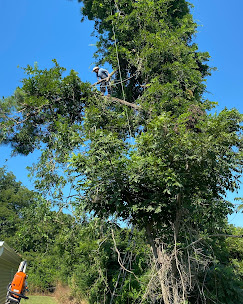
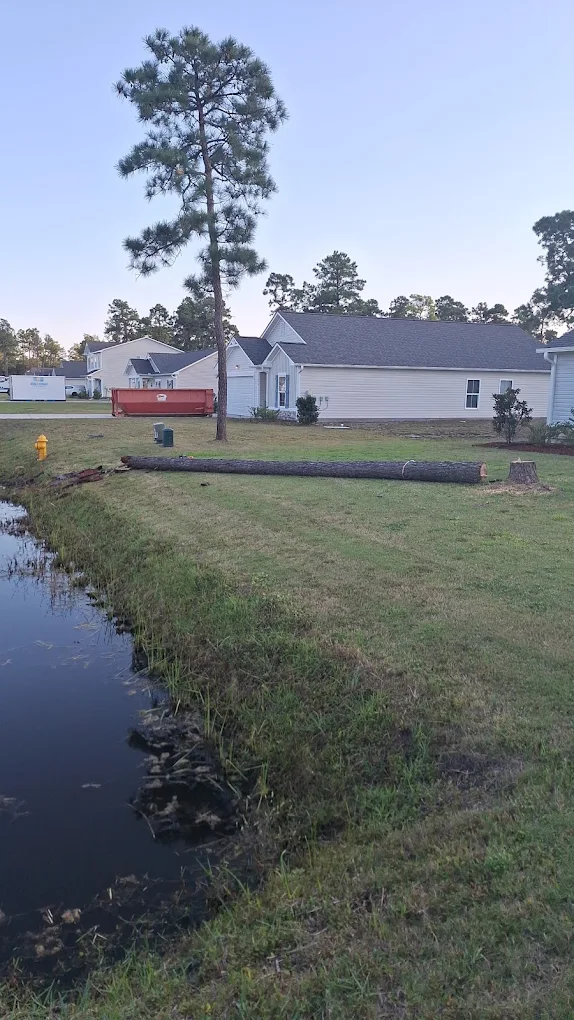
How Palms Fail in Hurricanes — What to Watch For
Three Cabbage Palms — Pool Deck, Wrightsville Beach Area
When Tree Removal Costs Jump Fast
| Situation | Why Cost Increases |
|---|---|
| Crane Required | Expensive equipment + setup time |
| Tree Near Power Lines | Additional safety complexity |
| Emergency Removal | Urgency + danger |
| Limited Access | Slower manual work |
| Storm-Damaged Tree | Higher climbing risk |
📊 Wilmington Pricing Quick Reference
Updated: June 2026 · Source: TreeQuotePro Cape Fear market data
Palms are the most misunderstood tree in the Wilmington removal market. Most homeowners expect them to be expensive — they're tropical, distinctive, and associated with premium coastal landscaping. In reality, palms are among the cheapest removals available because they're structurally simple: no branching, lighter wood, and a single crown that comes off cleanly.
Here's what removal actually costs and what to watch for heading into hurricane season.
What Palm Tree Removal Costs in Wilmington NC
| Palm Height | Open Yard | Near Structure / Pool |
|---|---|---|
| Under 20 ft | $200 – $400 | $300 – $600 |
| 20–40 ft | $350 – $700 | $500 – $1,000 |
| 40–60 ft | $600 – $1,100 | $800 – $1,600 |
| 60 ft+ | $900 – $1,500+ | $1,200 – $2,500+ |
Multiple palms removed in the same visit get meaningful discounts — $150–$250 per palm off when doing three or more, because the crew and equipment are already staged.
What Species of Palms Are in Wilmington?
Cabbage palm (Sabal palmetto) — North Carolina's hardiest palm, and the most common in the Wilmington market. Single trunk, fan-shaped fronds, typically 20–40 feet at maturity on residential lots. Handles cold reasonably well.
Windmill palm — Smaller, cold-hardy, popular in Leland and inland Brunswick County subdivisions. Usually under 20 feet. The most affordable removal in the market.
Sago palm — Technically a cycad, not a true palm. Low-growing, spiky fronds, often used as a landscape accent. Removal is quick and inexpensive.
Washington palm / Mexican fan palm — Occasionally planted in commercial landscaping and some older coastal properties. Can exceed 60 feet — the tall-palm pricing tier.
How Palms Fail in Hurricanes — and What to Watch For
Palms flex in wind rather than resisting it — the fronds bend, the trunk sways, and healthy palms survive storms that topple branching trees. Florence, Dorian, and Isaias left most Wilmington palms standing while pines fell around them.
But palms fail in specific ways when they fail:
Root ball failure after soil saturation. Palms have fibrous root systems that grip sandy coastal soil well — until repeated storm flooding loosens that grip. A palm that's survived multiple major storms may have a compromised root ball that's invisible from the surface. Check for any lean that developed after the last major storm.
Crown rot. The palm's growing tip is at the top center of the crown — a single point. If that growing tip is damaged by cold, pests, or disease, the palm cannot recover. Signs: the newest fronds pulling out easily, dark discoloration at the crown center, new growth wilting before opening.
Lightning strike. Palms' tall single trunks make them lightning targets. A strike typically kills the growing tip immediately. The trunk may stand for a year or more while visibly dying from the top down.
Freeze damage. Wilmington sits at the northern edge of reliable palm hardiness. Hard freezes damage cabbage palms, though they usually recover. A palm with all-brown fronds after a freeze should be watched for 6–8 weeks — new growth from the center means it survived; no new growth after that window means removal.
Trimming vs Removing a Palm
Trim when: the palm is healthy and the issue is dead or hanging fronds, or fronds too close to a roofline. Palm frond removal (skinning) is fast and inexpensive — $75–$200 for most palms.
Remove when: the growing tip is dead (no recovery possible), the palm has a progressive lean toward a structure after a storm, or the palm's height and position create a permanent falling hazard over a pool, roof, or neighbor's property.
One honest note on palm aesthetics: a properly trimmed palm looks better. But a palm trimmed too aggressively — fronds removed down below horizontal — stresses the tree. Healthy palms need the green fronds for photosynthesis; only dead or downward-hanging fronds should be removed in a trim.
Multiple Palms — The Best Way to Save
If you have multiple palms on the property — a common situation in coastal Wilmington — doing them in a single visit is where you get the most savings. The setup cost (crew, chipper, travel) is fixed regardless of whether they remove one or five. Bundling 3–5 palms in one visit typically cuts per-palm cost by $100–$250 each.
Upload photos of all your palms to treequote.pro and get a Wilmington-specific estimate for the group in 60 seconds.
Frequently Asked Questions
How much does palm tree removal cost in Wilmington NC? Palm tree removal in Wilmington runs $200–$450 for small palms under 20 feet, $350–$750 for medium palms (20–40 ft), and $600–$1,200 for tall palms (40–60 ft). Palms near structures or pools cost more due to rigging. Multiple palms removed in one visit get 10–20% per-palm discounts.
Are palms cheaper to remove than other trees in Wilmington? Yes — palms are among the most affordable removals in the market. No branching structure means simpler rigging, lighter wood means faster handling, and a single crown comes off cleanly. A 30-foot cabbage palm is significantly cheaper to remove than a 30-foot loblolly pine.
Do palms survive hurricanes in Wilmington NC? Generally yes — healthy palms flex rather than resist wind, and they typically outlast branching trees in storm conditions. Root ball failure after repeated soil saturation (Florence, Dorian, Isaias cycles) and crown rot are the primary failure modes to watch for on Wilmington palms.
When should I remove a palm tree in Wilmington? Remove when the growing tip is dead (no recovery possible), the palm has a progressive lean toward a structure, or height and position create a permanent hazard over a pool or roof. Freeze damage, lightning strikes, and crown rot are the most common reasons healthy-looking palms in Wilmington need removal.
What kind of palms grow in Wilmington NC? Cabbage palm (Sabal palmetto) is the most common and hardiest, followed by windmill palm, sago palm (technically a cycad), and occasional Washington palms in older landscaping. Cabbage palms are the native NC palm and the standard for most residential removals in the Wilmington market.
Get an instant palm removal estimate: treequote.pro
TreeQuotePro — Connecting Wilmington homeowners with trusted local tree service. Serving Wilmington, Leland, Ogden, Hampstead, Castle Hayne, and Porters Neck.
More Cost Guides Guides →
See What YOUR Tree Costs
Upload a photo and get an instant estimate based on these exact pricing ranges.
✓ No phone calls required · ✓ Free for homeowners · ✓ 90 five-star Google reviews