When to Trim Trees in Wilmington NC — Seasonal Guide (2026)
The best window to trim trees in Wilmington NC is late winter through May — before hurricane season demand spikes and before peak growing season. But the right timing varies by species and by what you're trying to accomplish. Here's the full seasonal calendar for the Cape Fear region.
Average Tree Removal Pricing
The Wilmington Trimming Calendar — Season by Season
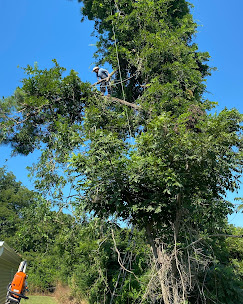
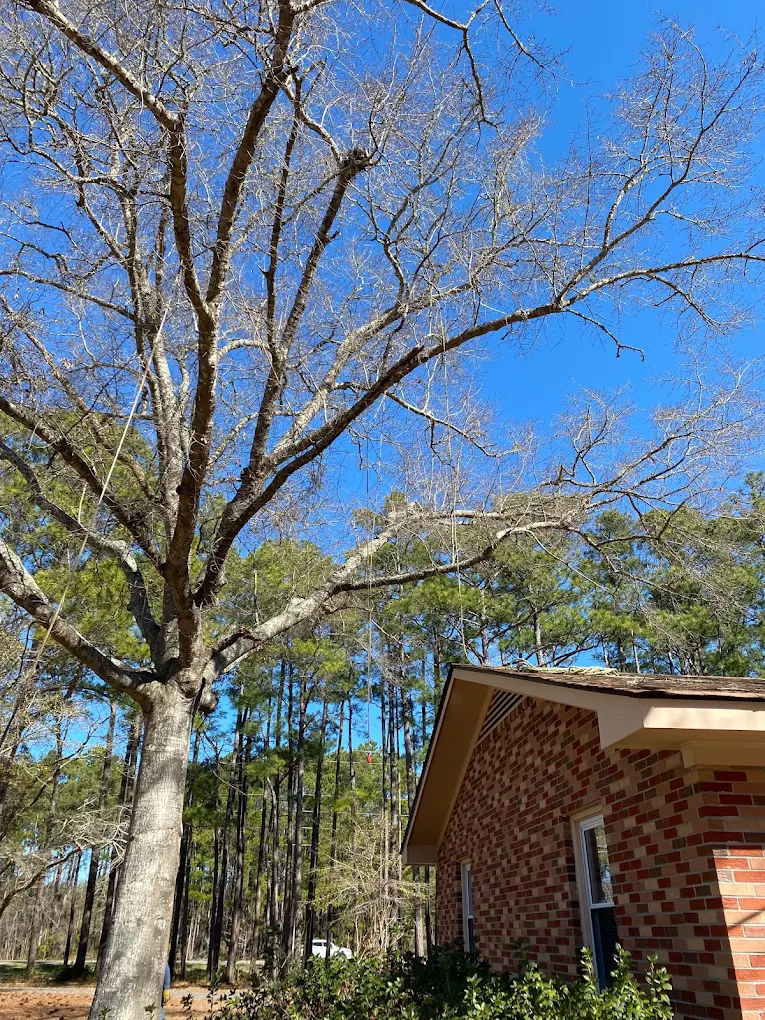
Timing by Species — What Matters for Coastal NC Trees
Live Oak Crown Reduction — Scheduled in April, Porters Neck
When Tree Removal Costs Jump Fast
| Situation | Why Cost Increases |
|---|---|
| Crane Required | Expensive equipment + setup time |
| Tree Near Power Lines | Additional safety complexity |
| Emergency Removal | Urgency + danger |
| Limited Access | Slower manual work |
| Storm-Damaged Tree | Higher climbing risk |
📊 Wilmington Pricing Quick Reference
Updated: June 2026 · Source: TreeQuotePro Cape Fear market data
"When should I trim my trees?" is one of the most common questions Wilmington homeowners ask — and the answer matters more here than almost anywhere inland, because our calendar is shaped by something most markets don't have: hurricane season.
Here's the full seasonal picture for the Cape Fear region.
The Wilmington Trimming Calendar — Season by Season
Late winter (January–March): the best all-around window. Most trees are dormant, structure is visible without foliage, and crews have open schedules. Pruning cuts made in dormancy heal fastest once spring growth begins. Pricing is at its most competitive. If you only trim once a year, this is when.
Spring (March–May): the storm-prep window. The second-best time — and the most strategically important one in coastal NC. Trimming between March and May means dead limbs, overextended branches, and roof-overhanging growth are addressed before the first named storm. Crews are still reasonably available. By Memorial Day, that changes.
Hurricane season (June–November): reactive, not proactive. Trimming still happens — but you're now competing with storm prep backlogs, emergency calls, and peak demand pricing (typically +15–20%). Trimming in this window is fine for genuine needs; it's just the most expensive and slowest time to schedule routine maintenance.
Late fall/early winter (December): the quiet window. Demand drops after hurricane season closes. Crews have availability, pricing softens, and trees are entering dormancy. A strong second option if you missed the spring window.
Timing by Species — What Matters for Coastal NC Trees
Live oaks: Trim in dormancy (December–February) when possible. Live oaks are semi-evergreen, but late-winter pruning minimizes stress and gives cuts the full growing season to seal. Crown reductions over roofs and pools are best done before June.
Loblolly pines: Less seasonal sensitivity — pines can be trimmed most of the year. The driver here is hurricane prep, not biology: dead limb removal and crown cleaning should happen before June 1. A pine shedding dead branches in May is a pine that will shed them onto your roof in a September storm.
Crape myrtles: Late winter only (February). Trimming crape myrtles in summer or fall removes the wood that produces next year's blooms. And skip the "crape murder" topping — proper selective pruning keeps the tree healthy and blooming.
Maples, dogwoods, and flowering ornamentals: Prune after flowering for spring bloomers (dogwoods), late winter for the rest. Avoid heavy pruning during August heat stress.
Fruit trees: Late winter, before bud break.
What Trimming Costs in Wilmington
| Tree Size | Off-Season (Dec–May) | Hurricane Season (Jun–Nov) |
|---|---|---|
| Small (under 30 ft) | $200 – $450 | $250 – $550 |
| Medium (30–60 ft) | $450 – $850 | $550 – $1,000 |
| Large (60 ft+) | $850 – $1,500 | $1,000 – $1,800 |
Multiple trees in one visit typically reduces the per-tree cost 10–20%. For the full pricing breakdown, see our tree trimming cost guide for Wilmington.
How Often Should Trees Be Trimmed in Wilmington?
Mature shade trees (live oaks, maples): every 3–5 years for structural maintenance, sooner if branches approach the roofline.
Loblolly pines: dead limb inspection annually before hurricane season; full crown cleaning every 3–4 years.
Crape myrtles and ornamentals: annually in late winter.
Trees near structures: annual inspection regardless of species. The cost of looking is zero. The cost of not looking shows up in September.
If you're not sure whether your tree needs trimming this year or can wait — upload a photo to treequote.pro and get a Wilmington-specific estimate in 60 seconds. Knowing the number often clarifies the decision.
Frequently Asked Questions
When is the best time to trim trees in Wilmington NC? Late winter through May is the best window — trees are dormant or just entering growth, crews have availability, and the work is done before hurricane season demand spikes pricing 15–20%. December is a strong second option after hurricane season closes.
Can I trim trees during hurricane season in Wilmington? Yes — trimming during June through November is safe for the tree. The issue is cost and scheduling: peak season pricing runs 15–20% higher and reputable crews book out 1–2 weeks during active storm periods. Genuine hazards shouldn't wait; routine maintenance should be scheduled outside this window.
How often should trees be trimmed in coastal NC? Mature shade trees every 3–5 years, pines inspected annually before hurricane season with full crown cleaning every 3–4 years, and ornamentals like crape myrtles annually in late winter. Any tree near a structure should be visually inspected every year.
When should I trim a crape myrtle in Wilmington NC? February — late winter, before spring growth. Summer or fall trimming removes the wood that produces next season's blooms. Avoid topping ("crape murder"); selective pruning of crossing and inward-growing branches keeps the tree healthy and full.
Is it cheaper to trim trees in the winter in Wilmington? Yes. December through May pricing runs 15–20% below hurricane season rates, and crews have more availability. The same medium tree trim that costs $550–$1,000 in July typically runs $450–$850 in February.
Get an instant trimming estimate: treequote.pro
TreeQuotePro — Connecting Wilmington homeowners with trusted local tree service. Serving Wilmington, Leland, Ogden, Hampstead, Castle Hayne, and Porters Neck.
More Tree Care Tips Guides →
Know What Your Tree Project Should Cost
Upload a photo of your tree and get a local Wilmington price estimate in under 60 seconds.
✓ No phone calls required · ✓ Free for homeowners · ✓ 90 five-star Google reviews