Post-Hurricane Tree Assessment in Wilmington NC (2026 Guide)
Post-hurricane tree assessment in Wilmington NC typically runs $75 – $250 per visit, with emergency removal ranging from $800 – $4,500 depending on size and hazard level. Acting within 72 hours can mean the difference between a tree that recovers and one that fails.
Average Tree Removal Pricing
Why Post-Hurricane Tree Assessment Costs What It Does in Wilmington
After a Cape Fear storm, every job carries elevated risk — crews work around downed lines, saturated ground, and unstable canopies. Loblolly pines and water oaks in sandy coastal soil lose root anchoring fast, and proximity to structures drives up the complexity of every cut.
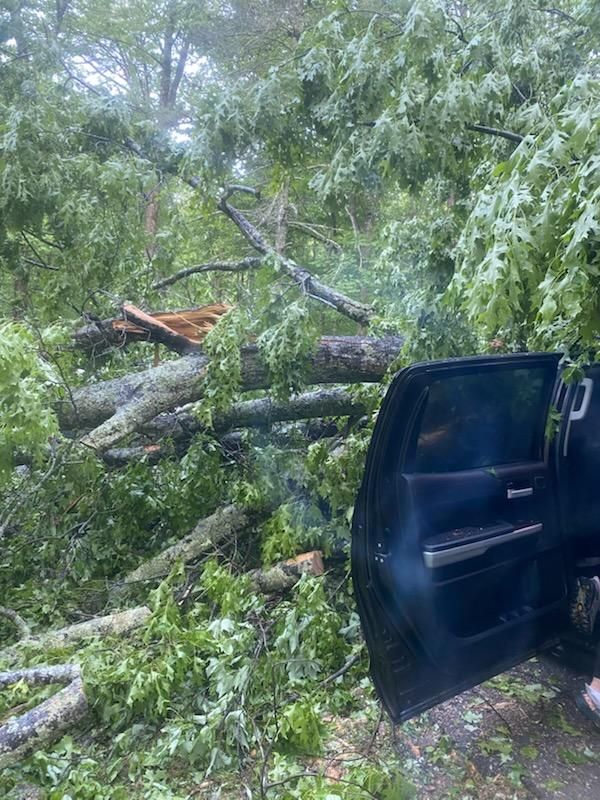
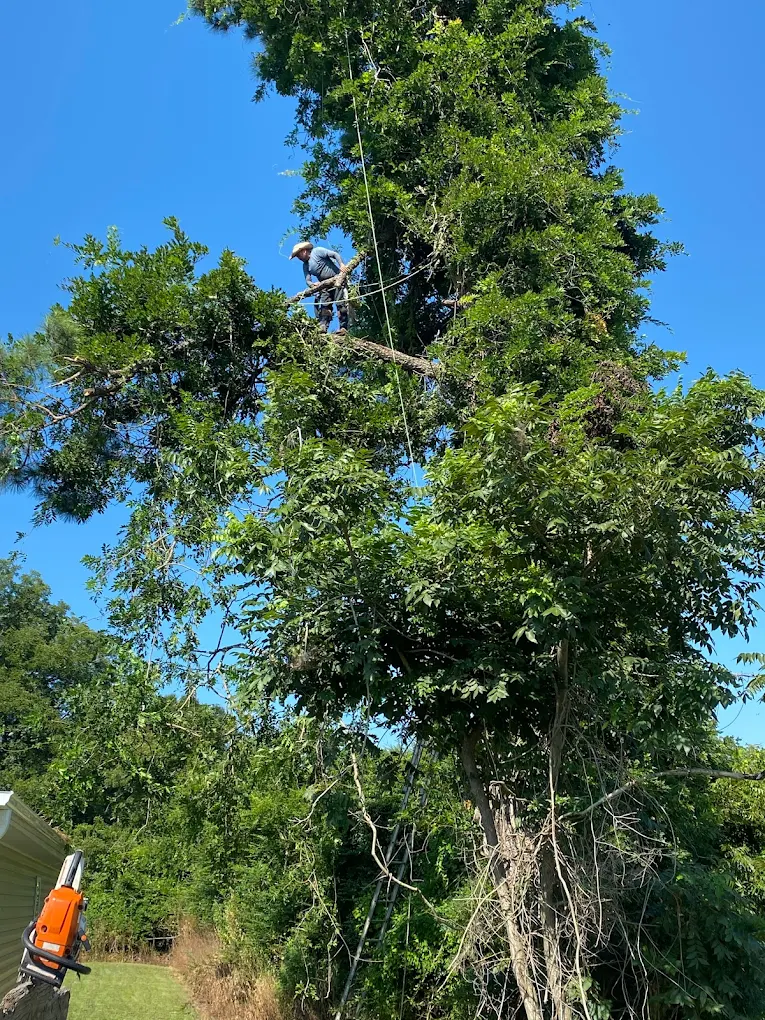
Storm Season and Coastal Risk in the Cape Fear Region
Wilmington sits directly in the Atlantic hurricane corridor, and our sandy, poorly-draining soil amplifies root failure even in tropical storms that don't hit Category 3. Trees that look stable the morning after a storm can shift dramatically within 48–72 hours as the ground dries unevenly and root systems lose tension.
Two leaning loblolly pines with root heave — Porters Neck
When Tree Removal Costs Jump Fast
| Situation | Why Cost Increases |
|---|---|
| Crane Required | Expensive equipment + setup time |
| Tree Near Power Lines | Additional safety complexity |
| Emergency Removal | Urgency + danger |
| Limited Access | Slower manual work |
| Storm-Damaged Tree | Higher climbing risk |
📊 Wilmington Pricing Quick Reference
Updated: June 2026 · Source: TreeQuotePro Cape Fear market data
Post-Hurricane Tree Assessment in Wilmington NC (2026 Guide)
If you're reading this after a storm just rolled through, here's what I want you to know first: a post-hurricane tree assessment in Wilmington NC is not optional. It's the single most important thing you can do in the first day or two after a major storm — before you start cleaning up, before you call a crew, before you decide anything is fine.
What Does a Storm Assessment Actually Cost?
Here's a quick breakdown of what Ramon and Miguel typically see on Cape Fear storm calls:
| Service | Estimated Range |
|---|---|
| On-site storm assessment (1–3 trees) | $75 – $150 |
| Full property assessment (4+ trees) | $150 – $250 |
| Emergency hazard removal (small, under 30 ft) | $800 – $1,600 |
| Emergency hazard removal (large, 30–60 ft) | $1,800 – $3,200 |
| Major canopy or whole-tree removal (60 ft+) | $2,800 – $4,500 |
| Stump grinding (post-removal) | $150 – $400 |
These ranges shift based on access, proximity to structures, and how saturated the ground is when we arrive. For a deeper look at what drives those costs, see our guide to hurricane tree damage in Wilmington.
The 72-Hour Window: Post-Hurricane Tree Assessment Wilmington NC Homeowners Must Not Miss
After 20+ years working Cape Fear storms — Florence, Dorian, Isaias, and plenty of unnamed tropical systems — I've learned that 72 hours is the critical window. Some trees look destroyed but are genuinely salvageable. Others look fine and are ready to fall.
Here's what I walk through on every storm call:
Root heave. Walk the base of every large tree on your property. If you see soil mounding or cracking in a crescent shape on one side of the trunk, the root plate has lifted. That tree is not stable. Doesn't matter if it still looks green.
Trunk cracks. Horizontal cracks in the lower trunk are a definitive removal sign. Vertical splits are sometimes survivable with proper cabling, but need a professional eye immediately.
Crown loss percentage. A tree that's lost less than 50% of its canopy in a storm often recovers — especially hardwoods like water oak and live oak. Over 50% loss in a loblolly pine? In my experience, that tree is already declining and the next storm finishes it.
Lean angle. A new lean of more than 15 degrees from vertical combined with any root heave is a removal, not a wait-and-see. See our detailed breakdown on what to do when a tree leans after a storm.
Soil saturation. Wilmington's sandy coastal soil drains poorly after major rainfall. A tree that seems anchored the day after a storm may have lost all root tension by day three as water moves through the profile unevenly. This is especially true for loblolly pines in Ogden and Porters Neck neighborhoods where the water table sits high.
What Makes a Tree a Definitive Removal vs. a Recovery Candidate
Ramon and Miguel have responded to storm calls across Landfall, Masonboro, Castle Hayne, and Monkey Junction, and the same patterns repeat. Trees that are definitive removals share these traits: visible root heave, more than a third of the canopy hanging or broken, any contact with a structure or utility line, or a trunk wound that exposes more than 50% of the circumference.
Recovery candidates typically have crown damage only, no root movement, intact structural unions, and are species with high post-storm vigor — live oaks and crepe myrtles tend to bounce back. For pine-specific red flags, check our guide on dangerous pine tree warning signs in Wilmington.
Post-Hurricane Tree Assessment Wilmington NC: How the TreeQuotePro Photo Process Works
Not every homeowner can get a crew on-site the day after a storm — demand spikes fast and crews are stretched across the county. TreeQuotePro's photo assessment option lets you submit photos through treequote.pro and get an initial read from our Wilmington provider before a physical visit is scheduled.
Here's how to photograph for a useful remote assessment:
- Shoot the full tree from at least 20 feet back
- Get a close shot of the base showing soil at the root flare
- Photograph any cracks, splits, or hanging limbs within 10 feet
- Include a wide shot showing proximity to your house, fence, or power lines
This doesn't replace an in-person visit for high-risk trees, but it helps Ramon and Miguel prioritize which properties need eyes on them first. For a full storm-season preparation checklist, see our hurricane season tree checklist for Wilmington.
Post-Hurricane Tree Assessment Wilmington NC: Don't Wait on These Signs
If you see any of the following after a storm, don't wait for a formal assessment — call for emergency service immediately:
- Tree resting against your house or roof
- Any downed limb touching power lines
- Root ball fully exposed and tree at more than 30-degree lean
- Trunk split below the first major limb
These are not monitoring situations. They are active hazards. Ramon and Miguel hold 90 five-star Google reviews built on exactly these emergency responses — fast, honest, no pressure on decisions.
Frequently Asked Questions
How soon after a hurricane should I get a post-hurricane tree assessment in Wilmington NC? Within 24–48 hours if possible. The 72-hour window is real — soil movement, drying, and root tension loss can turn a borderline tree into a falling hazard over the first three days after a major storm.
Can a storm-damaged tree ever fully recover? Yes, particularly hardwoods like live oaks and water oaks that have lost crown material but show no root heave or trunk damage. Pines are less resilient — a loblolly that lost its top or more than half its canopy rarely reaches structural stability again in our coastal climate.
What does a tree assessment after hurricane NC actually include? A proper on-site assessment covers root zone inspection, trunk integrity check, crown loss percentage estimate, lean measurement, and proximity risk to structures. It should result in a written or verbal recommendation — remove, monitor, or cable — not just a quote for removal.
Does homeowner's insurance cover hurricane tree damage assessment in the Cape Fear region? Many standard homeowner policies cover tree removal when a tree has fallen on a structure. Assessment fees and removal of hazard trees that haven't yet fallen vary by policy — always document with photos before anything is touched and call your adjuster before scheduling work.
When you're ready to get eyes on your property, submit your photos or request an in-person visit at treequote.pro. Ramon and Miguel know Cape Fear storms — 20+ years of local response, 90 five-star Google reviews, and a straight answer about what needs to come down and what can stay.
TreeQuotePro — Connecting Wilmington homeowners with trusted local tree service. Serving Wilmington, Leland, Ogden, Hampstead, Castle Hayne, and Porters Neck.
More Cost Guides Guides →
See What YOUR Tree Costs
Upload a photo and get an instant estimate based on these exact pricing ranges.
✓ No phone calls required · ✓ Free for homeowners · ✓ 90 five-star Google reviews