Tree Canopy Thinning in Wilmington NC: When and Why (2026)
Tree canopy thinning in Wilmington NC typically runs $300 – $900 for a mid-size tree and can be the smarter call than removal when a healthy tree just needs wind resistance reduced before storm season.
Average Tree Removal Pricing
Why Tree Canopy Thinning Costs What It Does in Wilmington
Live oaks and water oaks in Wilmington develop massive lateral canopies that trap wind like a sail — the denser the crown, the more labor it takes to thin selectively without harming the tree's structure. Sandy coastal soil also means root systems are shallower than homeowners expect, so proper thinning reduces the leverage a storm puts on a tree that can't anchor as deeply as one growing in clay.
Storm Season and Coastal Risk in the Cape Fear Region
The Cape Fear coast sits in a direct path for Atlantic hurricanes, and a dense unpruned canopy turns a healthy oak or sweetgum into a liability the moment tropical-force winds arrive. Thinning before June gives the tree time to stabilize new growth patterns before peak storm season, and our Wilmington provider has seen firsthand how a properly thinned canopy can mean the difference between a tree that bends and one that falls onto a roof.
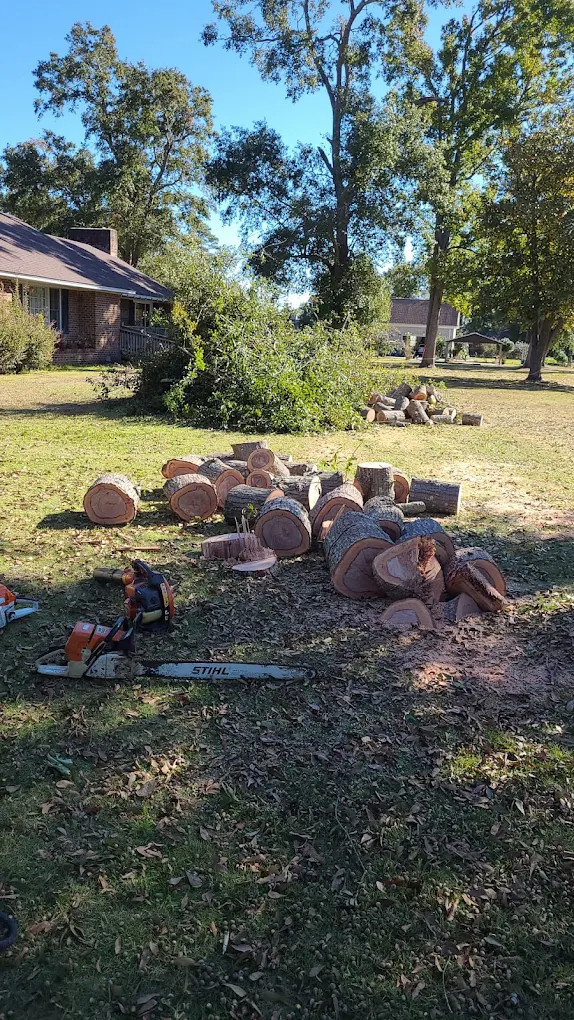
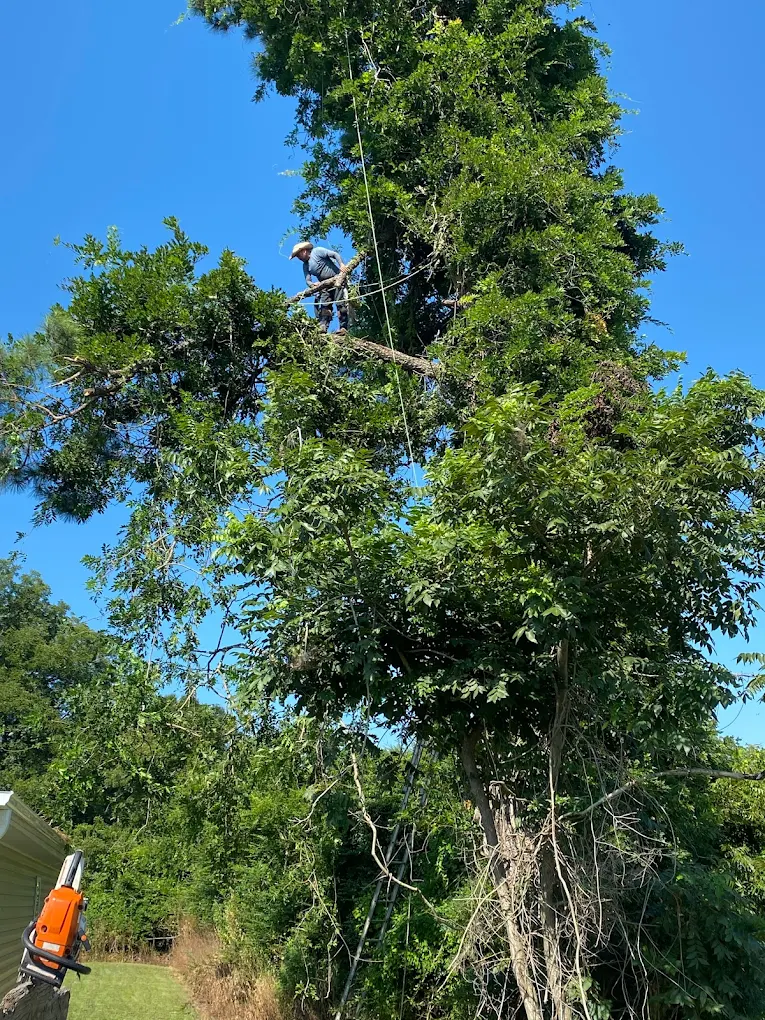
Live oak canopy thinning — Landfall, Wilmington
When Tree Removal Costs Jump Fast
| Situation | Why Cost Increases |
|---|---|
| Crane Required | Expensive equipment + setup time |
| Tree Near Power Lines | Additional safety complexity |
| Emergency Removal | Urgency + danger |
| Limited Access | Slower manual work |
| Storm-Damaged Tree | Higher climbing risk |
📊 Wilmington Pricing Quick Reference
Updated: June 2026 · Source: TreeQuotePro Cape Fear market data
Tree Canopy Thinning Wilmington NC: When and Why (2026)
Tree canopy thinning in Wilmington NC is one of the most cost-effective things you can do for a mature tree before hurricane season — and one of the most misunderstood. A lot of homeowners assume that if a tree looks overgrown, it needs to come down. In most cases, that's not true. With 20+ years working Cape Fear properties, Ramon and Miguel have thinned hundreds of live oaks, water oaks, and sweetgums that are still standing strong today.
Here's what tree canopy thinning in Wilmington NC actually costs and when it makes sense.
Tree Canopy Thinning Cost Wilmington NC — 2026 Price Ranges
| Service | Typical Range |
|---|---|
| Small tree thinning (under 25 ft) | $300 – $450 |
| Mid-size tree thinning (25–50 ft) | $450 – $750 |
| Large tree thinning (50+ ft) | $750 – $1,400 |
| Crown reduction | $500 – $1,100 |
| Crown cleaning (deadwood only) | $200 – $500 |
| Stump grinding | $150 – $350 |
These ranges reflect real jobs in Wilmington neighborhoods like Ogden, Porters Neck, Masonboro, and Leland. Final cost depends on canopy spread, access, and what's underneath the tree.
Thinning vs. Crown Reduction vs. Crown Cleaning
Before you call anyone, it helps to know what you're actually asking for. These three services are related but not the same.
Crown thinning removes select interior branches to reduce density without changing the tree's overall size or shape. This improves airflow, reduces wind resistance, and lets light reach the ground. It's the most common pre-hurricane service Ramon and Miguel perform every spring across Wilmington properties.
Crown reduction reduces the actual height or spread of the canopy by cutting back to lateral branches. It's more aggressive than thinning and typically costs more. This is the right call when a tree has grown too close to a roofline or power line.
Crown cleaning is the most conservative option — removing only dead, dying, or crossing branches. If your tree is structurally sound and you just want to clear out the deadwood before storm season, crown cleaning is often all you need.
For a deeper look at how trimming services are priced overall, see our guide to tree trimming in Wilmington NC and the full tree trimming cost breakdown for 2026.
When Tree Canopy Thinning Wilmington NC Makes Sense Before Hurricane Season
This is the question Ramon and Miguel get most often from Landfall and Porters Neck homeowners in May and June: should I thin this tree or just take it down?
Thinning makes sense when:
- The tree is structurally healthy with no major decay at the trunk or root flare
- The canopy is dense but the main scaffold branches are sound
- The tree has sentimental or shade value and the property owner wants to preserve it
- The root system hasn't been significantly undermined by construction or drainage work
Thinning does not solve the problem when:
- The trunk shows significant cavity or soft rot
- The tree has already leaned or shifted after a previous storm
- The root zone has been paved over or disturbed
- Major scaffold branches are cracked or co-dominant with included bark
For a full side-by-side comparison of when thinning is the right answer versus when removal is unavoidable, read our dedicated post on tree thinning vs. removal in Wilmington NC.
Tree Canopy Thinning Wilmington NC and Sandy Soil Risk
Cape Fear's sandy coastal soil is the factor most homeowners overlook. Unlike clay soil that grips roots tightly, sandy soil allows root systems to shift more freely — which sounds fine until a Category 2 passes through. A dense, unthinned canopy on shallow sandy roots creates enormous leverage.
Ramon and Miguel have pulled trees from Castle Hayne and Ogden yards that showed no visible warning signs above ground — but the root zone had been slowly compressing for years under a full, dense canopy. Thinning doesn't eliminate root risk, but it reduces the wind load the root system has to resist.
Before storm season, also run through our hurricane season tree checklist for Wilmington NC to make sure thinning is part of a complete prep plan.
What the Job Actually Looks Like
A mid-size water oak thinning in a Masonboro backyard typically takes two to four hours with a two-person crew. Ramon and Miguel work from the canopy using climbing lines, removing interior branches systematically to open airflow without stripping the outer canopy flat. The goal is a natural-looking crown that moves with wind rather than catches it.
Cleanup is included. Chip trucks haul debris same day on most residential jobs.
Frequently Asked Questions
How often should I have tree canopy thinning done in Wilmington NC? Most mature trees benefit from thinning every three to five years. Live oaks with large lateral spreads may need attention every two to three years if they're growing over structures. Ramon and Miguel can assess your specific tree and tell you whether you're looking at annual maintenance or a longer interval.
Does tree canopy thinning hurt the tree? Done correctly by an experienced crew, thinning does not harm a healthy tree. The risk comes from over-thinning — removing too much interior growth in one session, which stresses the tree and can lead to excessive sucker sprouting. Our Wilmington provider follows industry standards for maximum canopy removal per visit.
What's the difference between crown thinning and topping? Topping cuts branches back to stubs with no regard for the tree's structure — it's damaging and widely condemned by arborists. Crown thinning removes specific interior branches while preserving the natural form of the canopy. If a contractor suggests topping your tree, get a second opinion.
Is tree thinning worth it if a storm is only a few weeks away? It depends on the tree. Thinning is most effective when done at least four to six weeks before anticipated storm activity, giving the canopy time to stabilize. That said, removing significant deadwood through crown cleaning is beneficial even on short notice and reduces projectile risk during a storm.
If you have a tree that needs assessment before the next storm system rolls up the Cape Fear coast, get a free quote from Ramon and Miguel at treequote.pro. With 90 five-star Google reviews and 20+ years of experience on Wilmington properties, they'll tell you straight whether thinning is the right call or whether removal is the safer move.
TreeQuotePro — Connecting Wilmington homeowners with trusted local tree service. Serving Wilmington, Leland, Ogden, Hampstead, Castle Hayne, and Porters Neck.
More Cost Guides Guides →
See What YOUR Tree Costs
Upload a photo and get an instant estimate based on these exact pricing ranges.
✓ No phone calls required · ✓ Free for homeowners · ✓ 90 five-star Google reviews