Tree Trimming Wilmington NC — 2026 Cost Guide and What to Expect
Tree trimming in Wilmington NC costs $350–$1,500 for most residential jobs in 2026. Live oaks and large pines near structures push higher. The best window for trimming in coastal NC is late winter through May — before hurricane season demand spikes pricing and availability. Here's everything Wilmington homeowners need to know.
Average Tree Removal Pricing
What Tree Trimming Costs in Wilmington NC
The Best Time to Trim Trees in Wilmington and Coastal NC
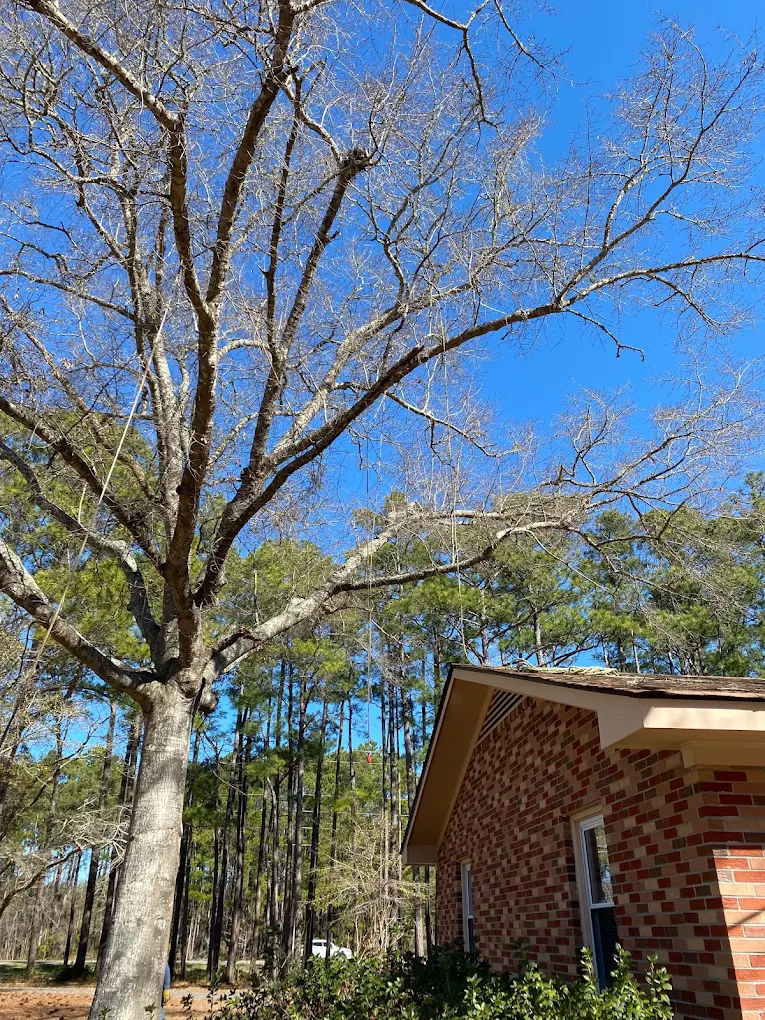
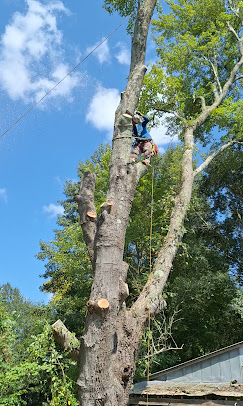
Large Live Oak Crown Reduction — Porters Neck, Over Pool and Fence
When Tree Removal Costs Jump Fast
| Situation | Why Cost Increases |
|---|---|
| Crane Required | Expensive equipment + setup time |
| Tree Near Power Lines | Additional safety complexity |
| Emergency Removal | Urgency + danger |
| Limited Access | Slower manual work |
| Storm-Damaged Tree | Higher climbing risk |
📊 Wilmington Pricing Quick Reference
Updated: June 2026 · Source: TreeQuotePro Cape Fear market data
Tree trimming in Wilmington is one of the most misunderstood home services in the Cape Fear market. Homeowners either wait too long — until branches are rubbing their roof or hanging over the deck — or they call at the worst possible time, right before a storm, when every crew in town is fully booked.
I've been trimming trees in this area for over 20 years. Here's what it actually costs, when to do it, and how to know when trimming won't solve the problem.
What Tree Trimming Costs in Wilmington NC in 2026
Most residential trimming jobs in Wilmington run $350–$900 for a standard tree. Large live oaks with wide canopies near structures push toward $2,500. Here's the full breakdown:
| Tree Type / Size | Trimming Type | Wilmington 2026 Range |
|---|---|---|
| Small tree (under 30 ft) | Deadwood removal, crown cleanup | $200 – $500 |
| Medium tree (30–60 ft) | Crown reduction, limb removal | $400 – $900 |
| Large pine (60–80 ft) | Crown elevation, deadwood | $700 – $1,400 |
| Large live oak | Crown reduction, limb removal | $900 – $2,500+ |
| Multiple trees, one visit | Per-tree rate drops | 10–20% discount |
These are Wilmington-area numbers. National averages consistently underestimate what coastal NC trimming actually costs because they don't account for live oak density, mature canopy sizes, and the access complications that come with established Wilmington neighborhoods.
What Drives Tree Trimming Cost in Wilmington
Species is the single biggest driver. A live oak and a loblolly pine at the same height are not the same trimming job. Live oak wood is dense, the canopy spreads far wider than the tree is tall, and every limb over a structure needs to be rigged and lowered by hand. A loblolly pine crown elevation — raising the lower branches to clear a roofline — is comparatively straightforward.
Proximity to structures. A tree trimmed in an open yard where sections can drop freely is fast. A tree with branches over a roof, pool, fence, or neighbor's property requires controlled lowering on every cut. That's the same rigging complexity as removal — it just stops short of taking the whole tree down.
Access. How close can equipment get? A chipper truck that can position within 30 feet of the tree makes the job efficient. Hand-carrying all debris out through a narrow gate doubles the time.
The last time it was trimmed. A tree that gets regular maintenance — every 2–4 years — takes a few hours. A tree that hasn't been touched in 10 years requires significantly more work to bring back to a safe, manageable canopy.
What Tree Trimming Actually Includes
This is where quotes vary and homeowners get confused. Make sure you know what's included before agreeing to anything.
Deadwood removal. Dead branches throughout the canopy — this should be part of every trimming job. Dead limbs fall without warning in any wind condition and should be the first thing any crew addresses.
Crown reduction. Reducing the overall size and spread of the canopy — particularly important for live oaks that have grown wider than the lot safely accommodates.
Crown elevation. Raising the bottom of the canopy by removing lower branches — creates clearance under the tree and over rooflines, driveways, and outbuildings.
Directional pruning. Steering growth away from structures by selectively removing branches on the structure-facing side.
Debris removal. Ask specifically. Some crews quote trimming and leave the brush pile for you to deal with. A professional quote should specify that debris is chipped and removed.
The Best Time to Trim Trees in Wilmington NC
Coastal NC has a specific window that most homeowners miss.
Late winter through May is the best trimming window. Here's why:
Trees are not yet in active growth, so pruning stress is lower. Crews have availability — the June 1 hurricane season start brings heavy demand that fills schedules fast. Pricing is at its most competitive before peak season. And most importantly, you're trimming before storms test the canopy, not after.
What to avoid:
June through November — hurricane season. You can still get trimming done, but wait times are longer and pricing runs higher as emergency work competes for crew time.
Active growth periods in spring when trees are pushing new growth — some species respond better to dormant season cuts. Your tree company should know the right timing for your specific species.
For the full seasonal breakdown specific to coastal NC, see our best time to trim trees in NC guide.
When Trimming Fixes the Problem — And When It Doesn't
This is the honest conversation most homeowners need before scheduling trimming.
Trimming works when:
The tree is structurally sound and the problem is branch location — overhanging limbs, deadwood in the canopy, or branches growing toward structures. A healthy tree with good structure that has simply outgrown its space is an ideal trimming candidate.
Regular crown reduction on a mature live oak can add decades to its useful life on the property and prevent the much more expensive removal conversation later.
Trimming doesn't fix the problem when:
The tree is dead or in significant structural decline. Removing dead branches from a dying tree is cosmetic — it doesn't address the underlying issue. If your tree is showing signs of death or decay, get a proper assessment before spending money on trimming.
The trunk itself is compromised — cracking, significant lean, root ball movement, mushroom growth at the base. These are structural issues that trimming cannot address. See our leaning tree guide for when a lean becomes an urgent removal situation.
The canopy overhang is simply too extensive. A live oak that has grown 30 feet over your roof can be crown-reduced — but at some point, the tree's natural growth pattern will bring it back. Removal is sometimes the honest long-term answer even for healthy trees in the wrong position.
Tree Trimming vs Removal — How to Decide
If you're unsure whether your tree needs trimming or full removal, here's a simple framework:
| Situation | Recommendation |
|---|---|
| Healthy tree, branches near roof | Trimming — crown reduction or elevation |
| Healthy tree, canopy too wide | Trimming — directional pruning |
| Dead branches in canopy, healthy trunk | Trimming — deadwood removal |
| Tree is dead or dying | Removal |
| Significant trunk lean toward structure | Removal assessment |
| Root ball damage from storm | Professional assessment first |
| Tree touching power lines | Power line specialist + Duke Energy |
For a full comparison, see our tree removal vs trimming guide.
Wilmington-Specific Trimming Considerations
Live oaks near the ICWW. Trees in Porters Neck, Masonboro, and Wrightsville Beach area that sit within a mile of the Intracoastal Waterway experience chronic salt air exposure that accelerates deadwood development. These trees almost always have more dead material in the upper canopy than they appear to have from the ground — which means trimming jobs often reveal more work than the initial quote anticipated. This isn't a bait-and-switch — it's a coastal reality.
Post-hurricane trimming demand. After every major storm in Wilmington, the demand for trimming crews spikes. Broken branches, storm-stressed canopies, and newly revealed hazards all need attention simultaneously. If you address trimming before hurricane season, you avoid the backlog entirely.
HOA requirements. In managed communities like Landfall, Porters Neck, and Brunswick Forest, tree work may require HOA notification or approval before scheduling. Factor in that timeline — typically 1–2 weeks — when planning pre-season trimming.
What Changes Price Most — Trimming Snapshot
The Trimming Mistake That Costs Wilmington Homeowners the Most
The most common trimming mistake in Wilmington is "crape murder" — topping crape myrtles and live oaks to reduce their size rather than proper crown reduction. A tree that's been repeatedly topped develops weak, fast-growing sucker growth that is more vulnerable to storm damage than the original canopy would have been.
The second most common mistake: scheduling trimming in June when hurricane season demand has already filled every reputable crew's calendar. The window to trim at normal pricing and normal wait times closes around Memorial Day weekend. After that, you're competing with every other homeowner who also waited.
Know what trimming your tree should cost before you call anyone. Upload a photo at treequote.pro — two minutes, no phone call required.
Frequently Asked Questions About Tree Trimming in Wilmington NC
How much does tree trimming cost in Wilmington NC? Tree trimming in Wilmington NC runs $200–$500 for small trees, $400–$900 for medium trees, and $800–$1,800 for large trees in 2026. Live oak crown reduction is the most expensive trimming job in the market — $900–$2,500+ depending on canopy size and proximity to structures.
When is the best time to trim trees in Wilmington NC? Late winter through May is the best window — before hurricane season demand spikes pricing and availability. June 1 marks the start of hurricane season and the start of peak demand for all tree services. Trimming before that window gets you better pricing, faster scheduling, and prepares your trees before storm season tests them.
How often should trees be trimmed in Wilmington NC? Most trees benefit from trimming every 2–4 years. Live oaks in coastal NC — particularly those near structures — warrant more frequent attention because of their growth rate and the risk their canopy presents. Trees near power lines should be assessed annually.
Do I need a permit to trim trees in Wilmington NC? For standard residential trimming in New Hanover County, no permit is required. In HOA-managed communities, you may need advance notification or approval before work can start. Trimming near power lines requires contact with Duke Energy before any crew works in the vicinity of lines.
What is the difference between tree trimming and tree pruning? Trimming typically refers to cutting back branches for clearance, aesthetic shape, or storm preparation. Pruning is more targeted — removing specific branches for the health of the tree, deadwood removal, or directional shaping. Professional crews use the terms interchangeably. The important distinction is the goal: clearance, health, or shape.
Can I trim my tree myself in Wilmington NC? For small trees with branches you can reach from the ground using pruning shears or a handsaw — yes. For anything requiring a ladder, near power lines, or involving branches large enough to cause injury if they fall unexpectedly — hire a professional. The risk of injury to yourself and damage to your property is not worth the savings on a job where height is involved.
How do I find a reputable tree trimming company in Wilmington NC? Look for 50+ Google reviews, proof of general liability and workers' comp insurance, written estimates before work begins, and crews that can explain their approach for your specific tree. Avoid companies that push spike climbing on live trees — spikes create wounds that invite disease and are appropriate only for removals. Know the fair price range before calling anyone at treequote.pro.
Follow us on Facebook for Wilmington tree pricing guides: TreeQuotePro on Facebook
Get an instant trimming estimate: treequote.pro
TreeQuotePro — Connecting Wilmington homeowners with trusted local tree service. Serving Wilmington, Leland, Ogden, Hampstead, Castle Hayne, and Porters Neck.
More Cost Guides Guides →
See What YOUR Tree Costs
Upload a photo and get an instant estimate based on these exact pricing ranges.
✓ No phone calls required · ✓ Free for homeowners · ✓ 90 five-star Google reviews