Common Tree Diseases in Wilmington NC Homeowners Should Know (2026)
Tree disease treatment in Wilmington NC ranges from $150 – $800 for fungicide applications to $1,200 – $4,500 for full removal of trees that can't be saved. Knowing which diseases are recoverable — and which aren't — can save you thousands.
Average Tree Removal Pricing
Why Common Tree Diseases in Wilmington NC Hit Harder Than Inland Areas
Wilmington's warm, humid coastal climate creates ideal conditions for fungal pathogens, bark beetles, and root rot organisms to thrive year-round. Sandy soil drains fast in some spots but holds moisture pockets near low-lying areas in neighborhoods like Castle Hayne and Leland, stressing root systems and making trees more vulnerable to disease. Add in the stress of repeated hurricane-force winds and salt spray, and trees here are fighting battles that inland trees simply don't face.
Storm Season and Coastal Risk in the Cape Fear Region
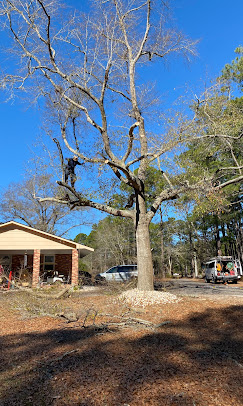
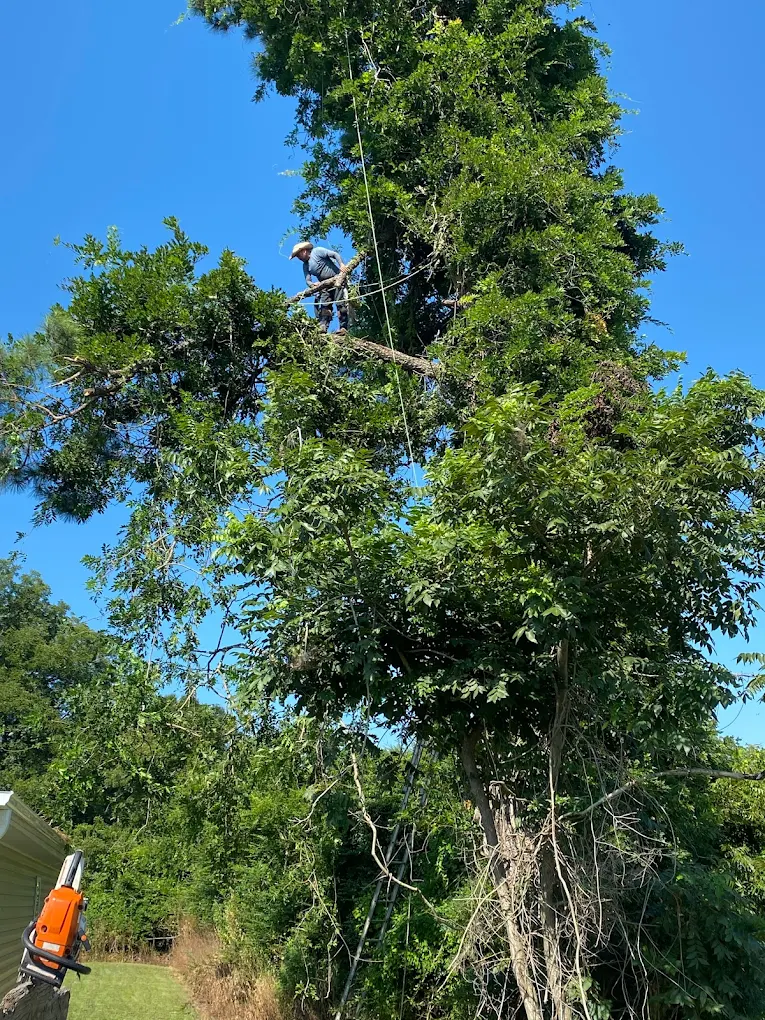
Every hurricane season that brings flooding to the Cape Fear region also creates the perfect entry points for root rot and fungal disease — bark wounds from debris, saturated soil, and weakened canopy structure all invite infection. Sandy coastal soil means diseased trees can uproot suddenly rather than giving obvious warning, which is why Ramon and Miguel often find structurally compromised trees that look deceptively green. Catching disease early before storm season is almost always cheaper than emergency removal after a weather event.
Laurel wilt-killed red bay removal — Masonboro area
When Tree Removal Costs Jump Fast
| Situation | Why Cost Increases |
|---|---|
| Crane Required | Expensive equipment + setup time |
| Tree Near Power Lines | Additional safety complexity |
| Emergency Removal | Urgency + danger |
| Limited Access | Slower manual work |
| Storm-Damaged Tree | Higher climbing risk |
📊 Wilmington Pricing Quick Reference
Updated: June 2026 · Source: TreeQuotePro Cape Fear market data
Common Tree Diseases in Wilmington NC Homeowners Should Know (2026)
After 20+ years working trees across the Cape Fear region, I can tell you that common tree diseases in Wilmington NC are not one-size-fits-all problems. Some are treatable if you catch them early. Others mean the tree is already lost and the only question is how safely you can bring it down before it falls on something you care about.
| Disease / Issue | Typical Treatment Cost | Likely Outcome |
|---|---|---|
| Fungicide or treatment injection (per tree) | $150 – $800 | Recoverable if caught early |
| Small diseased tree removal (under 30 ft) | $300 – $700 | Removal needed |
| Medium diseased tree removal (30–60 ft) | $700 – $1,800 | Removal needed |
| Large diseased tree removal (60 ft+) | $1,800 – $4,500 | Removal needed |
| Stump grinding after removal | $100 – $350 | Add-on service |
Here's what I see most often in Wilmington yards — and what it means for your trees.
Laurel Wilt: The Silent Killer of Red Bay and Swamp Bay
If you have red bay or swamp bay trees on your property near Ogden, Porters Neck, or along the waterways in Castle Hayne, laurel wilt is something you need to know about. It's spread by the redbay ambrosia beetle, which is barely the size of a sesame seed but carries a fungus that blocks the tree's water transport system.
The signs are fast and brutal — leaves turn brown and hang on the branches rather than dropping, and the tree can go from healthy-looking to fully dead in a matter of weeks. There is no treatment once a tree is infected. Every red bay I've seen in Wilmington with laurel wilt has come down. If you're not sure whether your tree is dead or just stressed, check out our guide on how to tell if a tree is dead or dying before assuming the worst.
Common Tree Diseases in Wilmington NC: Dogwood Anthracnose
Flowering dogwoods are one of the most beloved trees in Wilmington yards — and one of the most vulnerable. Dogwood anthracnose is a fungal disease that causes tan spots with purple borders on leaves, stem cankers, and eventually branch dieback from the top of the canopy down.
Unlike laurel wilt, dogwood anthracnose can sometimes be managed. Removing infected branches, improving air circulation, and applying a fungicide during the right window in late winter or early spring can slow or halt progression. I've saved a handful of dogwoods in Landfall and Masonboro using this approach. But trees that are more than 50% affected are rarely worth treating — the cost of repeated applications adds up fast and results aren't guaranteed.
Pine Bark Beetle Infestations
Pine beetles are a major threat across the Cape Fear region, and I see the damage everywhere from Hampstead to Monkey Junction. Loblolly and longleaf pines under drought stress or root damage are the first targets. Look for reddish-brown sawdust at the base of the trunk — that's called frass, and it means beetles are already boring in.
If only a few trees are affected, removing infected trees quickly can sometimes prevent the beetles from spreading to neighbors. But once a stand of pines is heavily infested, you're usually looking at multiple removals. Our guide on dangerous pine tree warning signs in Wilmington goes deeper on what to watch for before a pine becomes a hazard.
Sudden Oak Death: Not Here Yet, But Watch For It
Sudden oak death, caused by the water mold Phytophthora ramorum, hasn't established in North Carolina the way it has in California and the Pacific Northwest — but it's been detected in nursery stock in surrounding states. I flag this for Wilmington homeowners because our live oaks, water oaks, and willow oaks are exactly the species it targets.
Warning signs include bleeding cankers on the trunk, dark discoloration beneath the bark, and rapid crown decline. If you see these symptoms and you're unsure what you're dealing with, call an arborist first before cutting anything — a state extension service can test samples. For a broader look at what tree decline looks like, see our post on signs a tree needs to be removed in Wilmington NC.
Root Rot in Sandy Coastal Soil: Common Tree Diseases Wilmington NC Homeowners Overlook
Root rot caused by Armillaria or Phytophthora species is one of the most underdiagnosed problems I see in Cape Fear yards. Sandy soil sounds like it would drain well — and it does in some spots — but low-lying areas near Leland, Castle Hayne, and the waterways around Porters Neck hold moisture in pockets that drown root systems slowly over time.
Signs include mushrooms or white fungal mats at the base of the trunk, soft or discolored bark near the soil line, and a tree that seems to lose vigor year after year without an obvious cause. By the time root rot is visible, the structural integrity of the tree is usually already compromised. Sandy soil also means an infected tree can uproot without much warning. This is one of those diseases where I almost always recommend removal over treatment. If you're not sure what species you're dealing with, our common Wilmington NC tree identification guide can help you narrow it down.
When to Call an Arborist vs. When to Call for Removal
Here's my honest breakdown: call an arborist first if the disease is caught early, if the tree is a specimen worth saving, or if you're unsure of the diagnosis. Call for removal if the tree is more than 50% affected, if root rot or structural damage is involved, or if the disease is something untreatable like laurel wilt or advanced pine beetle infestation.
Ramon and Miguel have handled hundreds of diseased tree removals across Wilmington and the Cape Fear region — 90 five-star Google reviews don't happen without taking the time to explain what's actually going on with a tree before we touch it.
Frequently Asked Questions
Can common tree diseases in Wilmington NC spread to healthy trees nearby? Yes — many of the diseases I see regularly, including laurel wilt and pine bark beetles, spread aggressively to neighboring trees. Laurel wilt spreads through root grafts and beetle movement. Pine beetles can move through an entire stand within a single season. If one tree is confirmed infected, get a professional assessment of surrounding trees before deciding on a plan.
How do I know if my tree disease is treatable or if the tree needs to come down? The main factors are how much of the tree is affected, whether the root system or main trunk is compromised, and what disease you're actually dealing with. Fungal leaf diseases caught early are often treatable. Anything involving the vascular system, major roots, or structural wood is usually a removal situation. When in doubt, have someone look at it before the next storm season hits.
What does tree disease removal cost in Wilmington NC? Costs vary based on tree size, location, and how much of the root system has been destabilized. Most homeowners in the Wilmington area pay somewhere in the $700 – $2,500 range for a diseased medium-sized tree, though large trees near structures can push $4,500 or more. Stump grinding typically adds $100 – $350.
Is tree disease treatment covered by homeowner's insurance in NC? Generally, no — disease is considered a maintenance issue rather than sudden damage, so most standard policies don't cover treatment or removal of a diseased tree unless it has already fallen and caused structural damage to a covered structure. It's worth calling your insurer to confirm your specific policy terms.
If you're seeing signs of disease on a tree in your yard and want an honest assessment from someone who knows Cape Fear trees, get a quote through treequote.pro. Ramon and Miguel bring 20+ years of local experience and 90 five-star Google reviews to every job — no upsells, just straight answers about what your tree actually needs.
TreeQuotePro — Connecting Wilmington homeowners with trusted local tree service. Serving Wilmington, Leland, Ogden, Hampstead, Castle Hayne, and Porters Neck.
More Cost Guides Guides →
See What YOUR Tree Costs
Upload a photo and get an instant estimate based on these exact pricing ranges.
✓ No phone calls required · ✓ Free for homeowners · ✓ 90 five-star Google reviews